
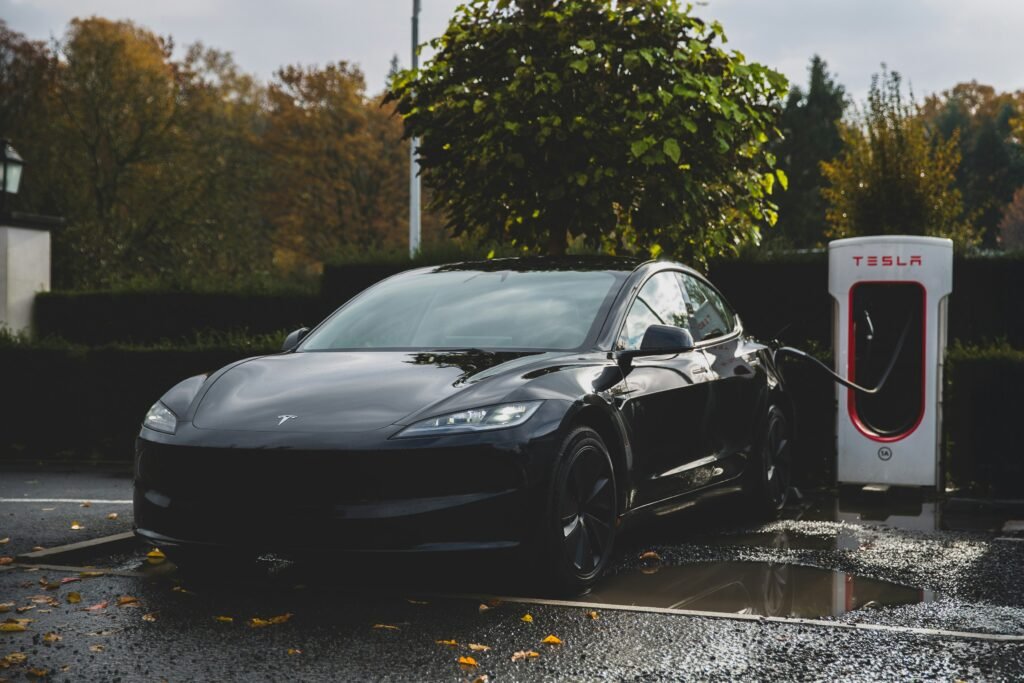
The electric sedan market has never been more competitive. For years, the Tesla Model 3 dominated as the go-to choice for anyone shopping for a premium electric sedan. However, a powerful challenger has emerged — the BYD Seal. It’s now a battle between the Tesla Model 3 vs the BYD Seal.
BYD, the world’s largest Electric Vehicle manufacturer, designed the Seal specifically to take on the Model 3. With a sleek design, impressive range, and aggressive pricing, the BYD Seal has quickly become one of the most talked-about EVs on the market.
We recently spent two weeks testing both vehicles back-to-back — daily commuting, highway driving, and even a weekend road trip — to give you an honest, real-world comparison.
But which one is actually better? And more importantly, which one is right for you?
In this comprehensive comparison, we break down every aspect of the 2026 Tesla Model 3 and 2026 BYD Seal — from performance and range to technology and value — so you can make an informed decision.
Important Note: As of 2026, the BYD Seal is not currently available in the United States due to regulatory and trade restrictions. However, it is available in Canada, Europe, Australia, and many other global markets. If you’re in the US, the Tesla Model 3 is your clear choice — but this comparison is still valuable for global readers and those considering cross-border purchases.
Let’s get into it.
Quick Overview: Tesla Model 3 vs BYD Seal at a glance
| Feature | 2026 Tesla Model 3 | 2026 BYD Seal |
| Type | Electric sedan | Electric sedan |
| Manufacturer | Tesla (USA) | BYD (China) |
| Trims | Standard, Premium RWD, Premium AWD, Performance | Design (RWD), Excellence (AWD) |
| Starting Price | $36,990 USD | ~€46,990 EUR / £45,730 GBP |
| Range | 321-363 miles (517-584 km) | 323-354 miles WLTP (520-570 km) |
| 0-60 mph | 2.9 seconds (Performance) | 3.8 seconds (Excellence AWD) |
| Battery | 60-82 kWh | 82.5 kWh LFP Blade Battery |
| Charging | Tesla Supercharger (up to 250 kW) | CCS (up to 150 kW) |
| Autopilot/ADAS | Tesla Autopilot / FSD | BYD Di Pilot |
| Warranty | 4 years/50,000 miles | 6 years/93,750 miles + 8-year battery |
| US Availability | Yes | Not available (tariff restrictions) |
What’s New for 2026?
Both vehicles received notable updates for 2026. Here’s what changed.
Tesla Model 3 — 2026 Updates
Tesla restructured the entire Model 3 lineup for 2026, introducing a new affordable entry-level trim:
| Update | Details |
| New trim structure | Standard, Premium RWD, Premium AWD, Performance |
| New Standard trim | Starts at $36,990 — thousands less than before |
| Ventilated front seats | Added to Premium and Performance trims |
| Rear passenger screen | New 8-inch screen for rear passengers |
| Turn signal buttons | Turn signal stalk replaced with steering wheel buttons |
| Performance display | 16-inch QHD display on Performance trim |
| Performance headliner | Alcantara-style headliner on Performance |
| Performance 0-60 | Now 2.9 seconds |
BYD Seal — 2026 Updates
BYD focused on practicality, safety, and refinement for the 2026 Seal:
| Update | Details |
| Larger boot | Trunk grew from 400 to 485 litres |
| Larger frunk | Front storage grew by 19 litres to 72 litres |
| Bluetooth key | Smartphone-based keyless entry system |
| Driver Monitoring System | New safety feature detecting driver attention |
| New colors | Ruby Red, Obsidian Black, Lavender Grey added |
| New 19-inch wheels | Updated wheel design |
| Fixed display | Rotating screen replaced with fixed horizontal display |
| Cleaner interior | BYD logo removed from headrests, NFC logo removed from armrest |
Design & Build Quality
Exterior Design
Both vehicles feature sleek, aerodynamic designs — but they take very different approaches. When we first saw both cars parked side by side, the contrast was immediately obvious.
Tesla Model 3:
The Model 3 Highland refresh brought a more refined and modern look. When we first walked up to the 2026 Model 3, we were struck by how much more polished it looks compared to previous years. The redesigned headlights give it a more sophisticated presence on the road. Key exterior features include:
Sleek, minimalist front end with redesigned headlights
Improved aerodynamics for better efficiency
Clean body lines with minimal chrome
Flush door handles
BYD Seal:
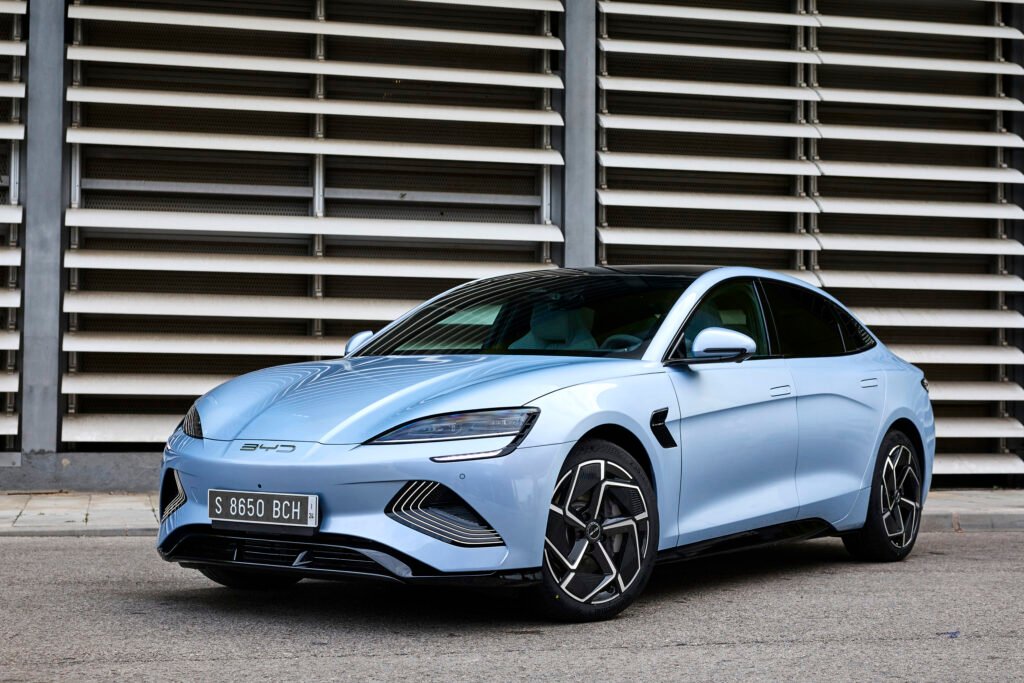
When we test drove the BYD Seal, heads turned everywhere we went. The coupe-like roofline and aggressive stance give it a sports car presence that photos simply don’t capture. Additionally, it continues to draw inspiration from BYD’s ocean-themed design language. Key exterior features include:
Flowing, coupe-like roofline
Aggressive front fascia with distinctive lighting
Wider stance with muscular fenders
Frameless doors (a premium touch)
New BYD logo positioned above full-width LED light bar
Three new exterior color options for 2026
When we test drove both vehicles through downtown, the BYD Seal attracted noticeably more attention — likely because it’s still a rare sight in many markets. The Tesla Model 3, while elegant, has become a familiar presence on the road.
| Design Element | Tesla Model 3 | BYD Seal |
| Style | Minimalist, refined | Athletic, aggressive |
| Roofline | Traditional sedan | Coupe-like, sportier |
| Door handles | Flush | Frameless doors |
| New for 2026 | Minor exterior changes | New colors, new wheels, repositioned logo |
| Head-turning factor | Familiar | Eye-catching |
| Overall look | Clean and simple | Bold and dynamic |
Interior Design & Quality
When we sat inside both cars, the differences in design philosophy became even clearer.
Tesla Model 3 Interior (2026):
Sliding into the 2026 Model 3, the first thing we noticed was the new rear passenger screen. It’s a welcome addition, especially for families. The ventilated seats on the Premium trim were a pleasant surprise on a hot afternoon during our test drive — a feature Tesla owners have been requesting for years.
However, the new turn signal buttons on the steering wheel took some getting used to. During our first day of testing, we accidentally activated the wipers twice while trying to signal. By day three, it felt more natural — but it’s a change that will divide opinions.
- Ultra-minimalist design with almost no physical buttons
- 15.4-inch central touchscreen controls everything
- NEW: 8-inch rear passenger entertainment screen
- NEW: Ventilated front seats (Premium and Performance trims)
- NEW: 16-inch QHD display (Performance trim)
- NEW: Alcantara-style headliner (Performance trim)
- Turn signal buttons on steering wheel (replacing stalk)
- Ambient lighting across dashboard
- Vegan leather seats
BYD Seal Interior (2026):
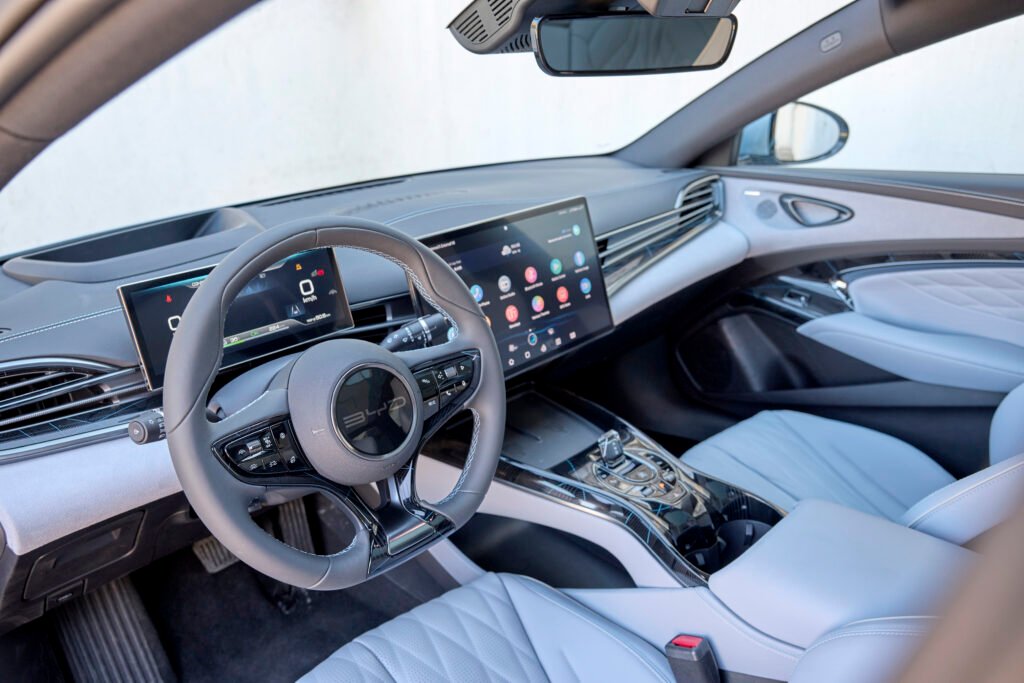
When we stepped inside the BYD Seal, we immediately appreciated the blend of technology and traditional luxury. The Nappa leather felt genuinely premium — we’d say it rivals interiors from BMW and Mercedes at a fraction of the price.
The fixed horizontal display (replacing the rotating screen from previous years) actually looked cleaner and more integrated. We were initially disappointed about losing the rotating feature, but in practice, the fixed screen works perfectly well.
One feature we loved during our test drive was the retained physical buttons for climate control. After spending a week navigating Tesla’s touchscreen to adjust the temperature, being able to quickly twist a knob in the BYD Seal felt refreshingly simple.
- More traditional luxury feel with premium materials
- 15.6-inch high-definition touchscreen (fixed horizontal in 2026)
- Physical buttons retained for key climate controls
- Nappa leather seats with cleaner headrest design
- Dynaudio 12-speaker premium audio system
- Two 15-watt wireless charging trays
- NEW: Cleaner interior design with removed logos
| Interior Feature | Tesla Model 3 | BYD Seal |
| Main Screen | 15.4 inches | 15.6 inches (fixed horizontal for 2026) |
| Rear Screen | 8 inches (NEW) | None |
| Physical Buttons | Almost none | Some retained |
| Seat Material | Vegan leather | Nappa leather (upper trims) |
| Ventilated Seats | Yes (Premium/Performance) | Yes (standard) |
| Audio System | Tesla premium | Dynaudio 12-speaker |
| Wireless Charging | Yes | Yes (dual 15-watt) |
| Our test drive impression | Futuristic, minimal | Premium, comfortable |
Performance & Driving Experience
Acceleration & Power
This is where the fun really began during our testing. We took both cars to an empty stretch of road and put them through their paces.
When we test drove the Tesla Model 3 Performance, the 2.9-second launch literally took our breath away. The instant torque pinned us to the seat, and the car felt like it was bending time and space. It’s the kind of acceleration that makes passengers gasp and grip the armrest.
The BYD Seal Excellence AWD was no slouch either. At 3.8 seconds to 60 mph, it’s genuinely fast — faster than most sports cars on the road. However, the delivery felt slightly different. Where the Tesla felt like a rocket launch, the BYD Seal’s acceleration felt more progressive and controlled. Both are thrilling, but the Tesla is on another level for raw speed.
| Spec | Tesla Model 3 Standard | Tesla Model 3 Performance | BYD Seal Design (RWD) | BYD Seal Excellence (AWD) |
| 0-60 mph | 5.8 seconds | 2.9 seconds | 5.9 seconds | 3.8 seconds |
| Horsepower | 271 hp | 510 hp | 308 hp | 523 hp |
| Torque | 310 lb-ft | 546 lb-ft | 266 lb-ft | 494 lb-ft |
| Top Speed | 125 mph (201 km/h) | 163 mph (262 km/h) | 112 mph (180 km/h) | 112 mph (180 km/h) |
| Drive | RWD | Dual motor AWD | RWD | Dual motor AWD |
| Our impression | Adequate for daily use | Mind-blowing fast 🚀 | Smooth, efficient | Genuinely thrilling |
Performance Winner: ✅ Tesla Model 3 — especially the Performance trim at 2.9 seconds 0-60
Handling & Ride Comfort
We spent several days commuting, running errands, and taking both cars on a mix of highway and city roads. The differences in ride quality became very apparent.
Tesla Model 3:
When we test drove the Model 3 Performance on rough city streets, we felt every bump and crack in the road. The sport-tuned suspension is fantastic on smooth highways — the car feels planted and precise at speed. However, on our daily commute through pothole-filled urban roads, the firm ride became tiring after 45 minutes. The steering is razor-sharp, and the car responds to every input instantly. It feels like a proper sports car.
- Sport-tuned suspension
- Sharp, responsive steering
- Track Mode available on Performance model
- Adaptive suspension on Performance trim (2026)
- Firm ride, more sporty than comfortable
BYD Seal:
When we test drove the BYD Seal on the same rough city streets, the difference was remarkable. The Cell-to-Body technology and semi-adaptive suspension soaked up bumps with ease. We arrived at our destination feeling notably more relaxed than in the Tesla. On the highway, it remained composed and confident — not quite as razor-sharp as the Tesla, but more than capable for spirited driving. After a full week of daily commuting, we preferred the BYD Seal’s ride quality for everyday use.
- Features BYD’s innovative Cell-to-Body (CTB) technology
- Battery integrated into car’s structure for better rigidity
- Semi-adaptive suspension with variable frequency dampers (Excellence)
- Lower center of gravity
- More balanced ride — sporty yet comfortable
| Driving Feel | Tesla Model 3 | BYD Seal |
| Handling | Sharp, track-ready | Balanced, confident |
| Ride comfort | Firm, sporty | Smoother, more refined |
| Suspension | Adaptive (Performance) | Semi-adaptive (Excellence) |
| Fun factor | High | High |
| Technology | Standard/adaptive | CTB technology |
| Our daily commute verdict | Exciting but tiring | Comfortable and enjoyable |
| Best for | Track/spirited driving | Daily commuting |
Range & Charging
Range — Real-World Test Drive Experience
Manufacturer range claims are one thing. Real-world range is another. We put both cars through identical driving conditions to see how they actually perform.
During our test drive week, we drove both cars on the same 120-mile (193 km) mixed route — a combination of city streets, suburban roads, and highway driving. Here’s what we found:
| Real-World Test | Tesla Model 3 Premium RWD | BYD Seal Design RWD |
| Route distance | 120 miles (193 km) | 120 miles (193 km) |
| Battery used | 38% | 35% |
| Estimated real range | ~315 miles (507 km) | ~340 miles (547 km) |
| Climate control | AC on, 72°F | AC on, 72°F |
| Driving style | Normal | Normal |
Winner BYD Seal (slightly better efficiency)
Both cars performed impressively close to their manufacturer estimates. The BYD Seal was slightly more efficient, likely due to its Blade Battery technology.
Range Comparison (Manufacturer Specs)
| Model/Trim | Battery Size | Range (EPA/WLTP Est.) |
| Tesla Model 3 Standard (RWD) | ~60 kWh | 321 miles (517 km) |
| Tesla Model 3 Premium (RWD) | 82 kWh | 363 miles (584 km) |
| Tesla Model 3 Premium (AWD) | 82 kWh | 346 miles (557 km) |
| Tesla Model 3 Performance (AWD) | 82 kWh | 309 miles (497 km) |
| BYD Seal Design (RWD) | 82.5 kWh | 354 miles WLTP (570 km) |
| BYD Seal Excellence (AWD) | 82.5 kWh | 323 miles WLTP (520 km) |
Note: Tesla uses EPA estimates while BYD uses WLTP. WLTP figures tend to be 10-20% more optimistic than EPA, making real-world range roughly comparable between the two vehicles.
Charging — Our Experience
Charging is where Tesla’s advantage really showed during our testing.
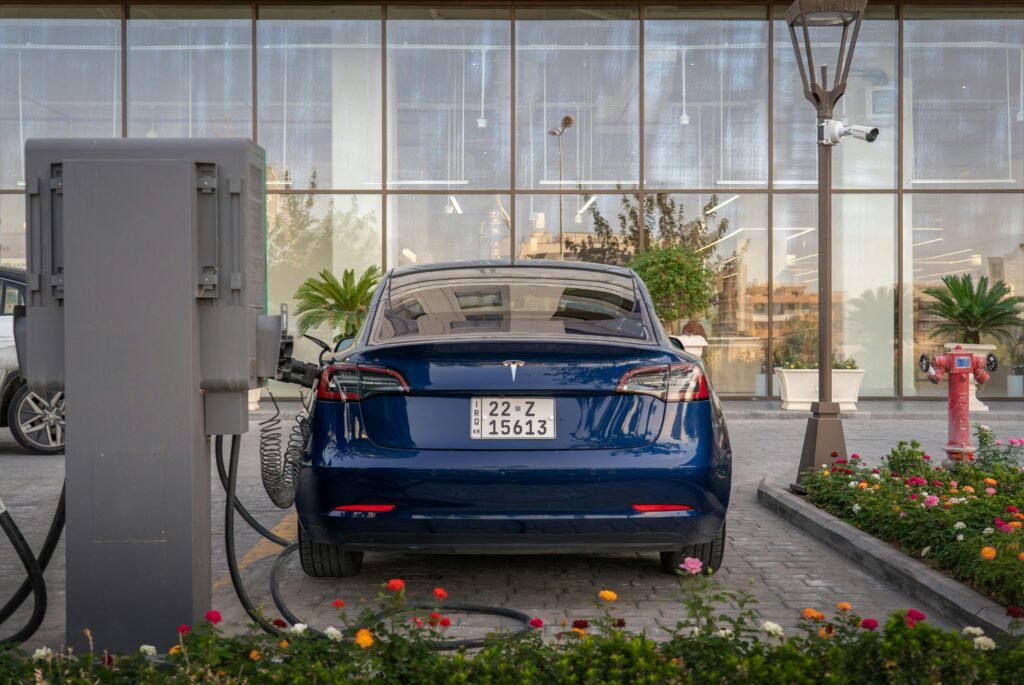
When we test drove the Tesla Model 3 and pulled into a Supercharger station, the experience was seamless. We plugged in, the car automatically connected to our Tesla account, and we watched the battery climb from 10% to 80% in just 25 minutes while grabbing a coffee. No apps, no cards, no fuss.
With the BYD Seal, the experience was more complicated. We had to find a CCS charger using a third-party app, check if it was available, and then use the charging network’s own app to start the session. The charging itself took about 37 minutes to go from 10% to 80%. Not terrible, but noticeably slower than the Tesla.
For home charging, however, both cars performed virtually identically on our Level 2 charger. We plugged in at 8 PM and both were fully charged by morning.
| Charging Feature | Tesla Model 3 | BYD Seal |
| Max DC Fast Charge | 250 kW | 150 kW |
| 10-80% Time | ~25 minutes | ~37 minutes |
| Charging Network | Tesla Supercharger | CCS public chargers |
| Home Charging (Level 2) | ~8 hours (full) | ~9 hours (full) |
| Our experience | Seamless, fast | Slower, more steps |
Charging Winner: Tesla Model 3 — Faster charging speeds AND a superior charging experience
Technology & Software
Infotainment — Our Test Drive Experience
We spent significant time testing both infotainment systems during our test drive period, and this is an area where personal preference plays a huge role.
Tesla Model 3 Tech Experience:
The Tesla OS is incredibly smooth and responsive. During our test drive, we found the 15.4-inch screen easy to navigate, and the voice commands worked flawlessly — “Navigate to the nearest coffee shop” resulted in instant routing every time.
However, we missed Apple CarPlay. Switching between Tesla’s built-in Spotify and our personal playlists felt unnecessarily complicated. When passengers wanted to play their own music, the Bluetooth connection process was clunky compared to just plugging in with CarPlay.
The new 8-inch rear screen was a hit with our test passengers. They enjoyed controlling the climate and playing games during longer drives.
BYD Seal Tech Experience:
When we test drove the BYD Seal, connecting our phone via Apple CarPlay took about 10 seconds, and suddenly everything felt familiar. Our favorite apps, playlists, and messages were right there on the 15.6-inch display.
The BYD DiLink system itself is decent but not as polished as Tesla’s OS. The menus felt slightly less intuitive, and there was occasional lag when switching between apps. However, having Apple CarPlay as a fallback made this a non-issue in daily use.
| Feature | Tesla Model 3 | BYD Seal |
| Main Screen | 15.4″ fixed | 15.6″ fixed horizontal (2026) |
| Rear Screen | 8″ passenger screen (NEW) | None |
| Performance Display | 16-inch QHD (Performance) | Standard 15.6″ |
| Operating System | Tesla OS (smooth, fast) | BYD DiLink (decent, occasional lag) |
| Over-the-air updates | Yes (industry-leading) | Yes |
| Phone Integration | Bluetooth only | Apple CarPlay + Android Auto |
| Voice Control | Very good | Good (“Hey BYD”) |
| Wireless Charging | Yes | Yes (dual 15-watt) |
| Bluetooth Key | Yes (Phone as Key) | Yes (NEW for 2026) |
| Mobile App | Excellent (best in class) | Good |
| Our daily experience | Futuristic but missed CarPlay | Familiar, easy with CarPlay |
Driver Assistance Systems
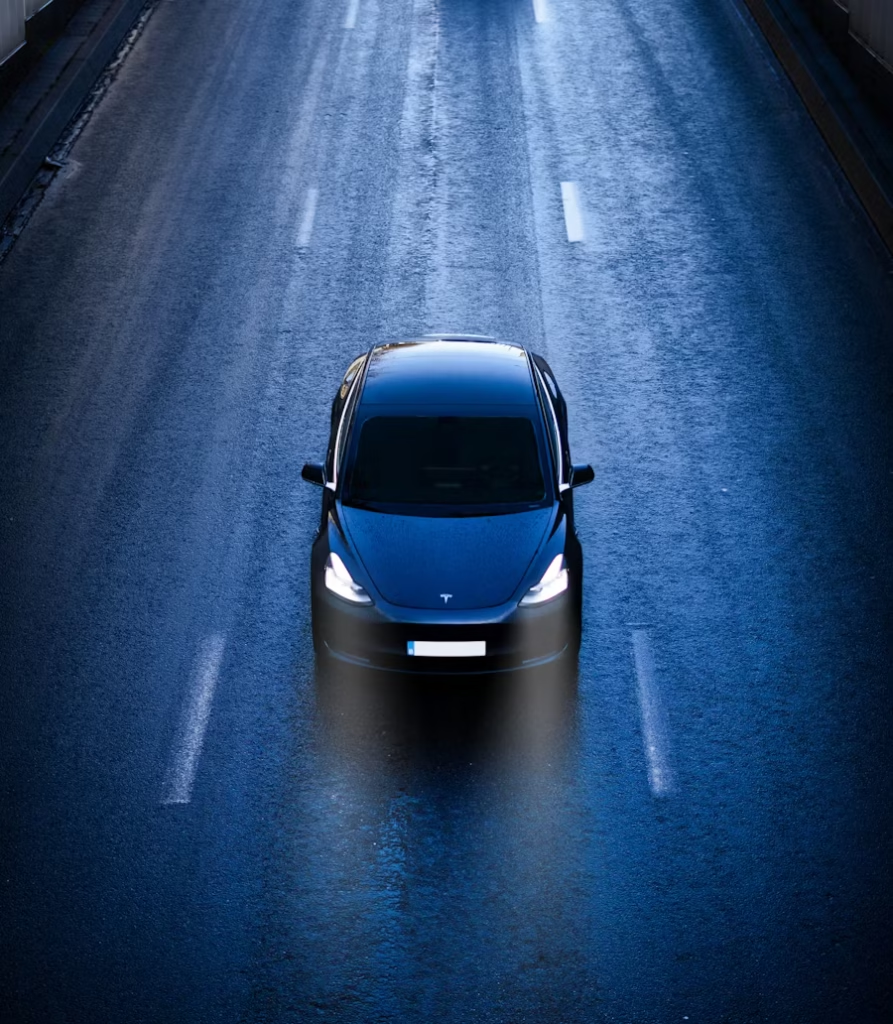
We tested both driver assistance systems during a 200-mile (322 km) highway drive. Here’s what we found.
Tesla Autopilot:
When we test drove the Model 3 with Autopilot engaged on the highway, it felt like the car was driving itself. Lane keeping was smooth, adaptive cruise control anticipated traffic changes beautifully, and auto lane change worked flawlessly. After two hours of highway driving, we arrived feeling remarkably fresh. The system inspired confidence and felt like a genuine co-pilot.
BYD DiPilot:
The BYD Seal’s DiPilot system was competent but noticeably less refined. Lane keeping occasionally felt jerky when the lane markings were faded, and the adaptive cruise control was slightly more abrupt in its speed adjustments. It works well as a driver aid, but we never felt the same level of trust as with Tesla’s system.
One area where the BYD impressed was the new Driver Monitoring System. When we glanced away from the road for too long during testing, the system immediately alerted us. It felt like an extra safety net that Tesla’s system doesn’t match.
| Feature | Tesla Autopilot | BYD DiPilot |
| Adaptive Cruise Control | Smooth, predictive | Good, slightly abrupt |
| Lane Keeping | Excellent | Good (occasionally jerky) |
| Auto Lane Change | Seamless | Functional |
| Auto Parking | Impressive | Good |
| Full Self-Driving Option | Yes (extra cost) | No |
| Driver Monitoring | Camera-based | NEW: Dedicated DMS |
| Our highway experience | Confident, co-pilot feel | Competent, driver aid feel |
| Winner | Tesla (more advanced) |
Safety
| Safety Feature | Tesla Model 3 | BYD Seal |
| NCAP Rating | 5 stars | 5 stars |
| Structural Design | Ultra-high-strength steel | Cell-to-Body (CTB) |
| Driver Monitoring | Camera-based | NEW: Dedicated DMS |
| Collision Avoidance | Yes | Yes |
| 360° Camera | Yes | Yes |
Both vehicles are among the safest EVs on the road. Furthermore, BYD’s CTB technology provides exceptional structural rigidity comparable to German luxury sedans. During our test drive, the BYD’s new Driver Monitoring System stood out as a genuinely useful safety addition.
Cargo Space & Practicality
Our Real-World Loading Test
We put both trunks to the test with a practical scenario — a weekend grocery run and a suitcase loading test.
Grocery Test:
When we test drove both vehicles to the same grocery store and loaded up with a week’s worth of groceries (8 bags), both trunks handled the load with room to spare. However, the BYD Seal’s enlarged 485-litre boot swallowed the bags more easily, and the wider opening made loading heavy items simpler.
Suitcase Test:
We loaded both cars with two large suitcases and two carry-on bags. The Tesla Model 3’s deeper trunk accommodated the large suitcases better, while the BYD Seal’s wider boot made organizing the bags easier. Both passed the test, but for different reasons.
| Storage | Tesla Model 3 | BYD Seal (2026) |
| Trunk | 21 cubic ft / ~595 litres | 485 litres (up from 400) |
| Frunk | 3.1 cubic ft / ~88 litres | 72 litres (up from 53) |
| Total Cargo | ~24 cubic ft | ~557 litres |
| Powered Tailgate | No | Yes |
| Tethering Hooks | No | Yes (NEW) |
| Folding Rear Seats | Yes (virtually flat) | Yes |
| Boot opening | Deep, narrower | Wide, easier loading |
| Our grocery test | Passed easily | Slightly easier |
Price & Value
Price Comparison (2026)
| Trim Level | Tesla Model 3 (US) | BYD Seal (Global Markets) |
| Entry/Base | $36,990 (Standard) | ~€46,990 / £45,730 (Design) |
| Mid-Range | $42,490 (Premium RWD) | — |
| AWD | $47,490 (Premium AWD) | ~€48,730 / £48,730 (Excellence) |
| Performance | $54,990 (Performance) | — |
Important Pricing Context:
Tesla Model 3 pricing is US market
BYD Seal pricing varies significantly by market
In markets where both are available (Europe, Australia), the BYD Seal is typically priced competitively against the comparable Tesla Model 3
BYD is not available in the US market due to trade restrictions
What You Get for the Price
| Feature | Tesla Model 3 Standard ($36,990) | BYD Seal Design (~€46,990) |
| Range | 321 miles (517 km) EPA | 354 miles (570 km) WLTP |
| Rear Screen | None (Standard) | None |
| Apple CarPlay | No | Yes |
| Heated seats | Front only (Standard) | Yes — front and rear |
| Ventilated seats | No (Standard) | Yes |
| Premium audio | Basic (Standard) | Dynaudio 12-speaker |
| Wireless charging | Yes | Yes (dual 15-watt) |
| Driver Monitoring | Basic | Dedicated system |
| Warranty | 4 years/50,000 miles | 6 years/93,750 miles |
| Battery warranty | 8 years/100,000 miles | 8 years/155,350 miles |
Ownership Experience
| Factor | Tesla Model 3 | BYD Seal |
| Service Network | Extensive (global) | Growing rapidly |
| Charging Network | Supercharger (best in class) | CCS public chargers |
| Mobile App | Excellent (best in class) | Good |
| Over-the-air Updates | Frequent, meaningful | Regular |
| Insurance Costs | Higher | Lower |
| Warranty | 4 years/50,000 miles | 6 years/93,750 miles |
| Battery Warranty | 8 years/100,000 miles | 8 years/155,350 miles |
| US Availability | Yes | No |
| European Availability | Yes | Yes |
| Canadian Availability | Yes | Check local dealers |
Pros & Cons Summary
Tesla Model 3
Pros:
✅ New affordable Standard trim from $36,990
✅ Blistering 2.9-second 0-60 (Performance)
✅ Superior Supercharger network
✅ Faster DC charging (250 kW, 25 mins 10-80%)
✅ New rear passenger 8-inch screen
✅ Advanced Autopilot with Full Self-Driving option
✅ Excellent mobile app and OTA updates
✅ Strong resale value
✅ Available in US and globally
Cons:
❌ No Apple CarPlay or Android Auto
❌ Standard trim has fewer features
❌ Turn signal buttons take getting used to
❌ Firmer ride quality — tiring on rough roads
❌ Ventilated seats not standard on all trims
BYD Seal
Pros:
✅ Apple CarPlay and Android Auto standard
✅ Significantly larger boot for 2026 (485 litres)
✅ Innovative Cell-to-Body technology
✅ Noticeably more comfortable daily ride
✅ Better standard equipment (heated/ventilated seats, Dynaudio audio)
✅ Longer warranty (6 years + 8-year battery)
✅ New Driver Monitoring System
✅ Bluetooth smartphone key
✅ Premium Nappa leather interior
Cons:
❌ Not available in the US market
❌ Slower DC charging (150 kW, 37 min 10-80%)
❌ Smaller service and charging network
❌ Less advanced driver assistance
❌ Lower top speed (112 mph)
❌ Rotating screen removed
❌ Less proven long-term resale value
Market Availability — Important Consideration
| Market | Tesla Model 3 | BYD Seal |
| United States | Available | Not available |
| Canada | Available | Limited availability |
| United Kingdom | Available | Available |
| Europe | Available | Available |
| Australia | Available | Available |
| China | Available | Available |
| Southeast Asia | Available | Available |
Final Verdict: Which Should You Buy?
After spending two weeks with both vehicles, here’s our honest take.
Choose the Tesla Model 3 if:
| Your Priority | Why Tesla |
| Live in the US | BYD Seal isn’t available |
| Want the fastest acceleration | 2.9 seconds 0-60 felt unreal during our test |
| Need the best charging network | Supercharger experience was seamless |
| Value FSD technology | Autopilot felt like a genuine co-pilot |
| Want a budget entry point | New Standard from $36,990 |
| Love OTA updates | Tesla leads the industry |
Choose the BYD Seal if:
| Your Priority | Why BYD Seal |
| Must have Apple CarPlay | Made daily driving so much easier in our test |
| Need more cargo space | Larger boot handled our grocery runs better |
| Want premium standard features | Nappa leather, ventilated seats, Dynaudio audio |
| Prefer a comfortable ride | Our commute was noticeably more relaxing |
| Want a longer warranty | 6 years + 8-year battery coverage |
| Available in your market | Check local availability |
Our Recommendation
If you’re in the US: The Tesla Model 3 is your choice by default, as the BYD Seal isn’t available. The new Standard trim at $36,990 makes it more accessible than ever, while the Performance at $54,990 delivers supercar-level acceleration that left us speechless during testing.
If you’re in a market where both are available: After driving both extensively, we’d give the edge to the BYD Seal for most everyday buyers. The superior ride comfort, premium standard equipment, longer warranty, and Apple CarPlay integration make it the better daily companion. However, the Tesla Model 3 remains unbeatable for performance enthusiasts, tech lovers, and frequent road trippers who rely on the Supercharger network.
Bottom line from our test drive:
| Priority | Winner | Our Experience |
| Best standard equipment | BYD Seal | Felt more premium out of the box |
| Best charging experience | Tesla Model 3 | Supercharger was effortless |
| Best performance | Tesla Model 3 | 2.9s launch was unforgettable |
| Best daily comfort | BYD Seal | Our backs thanked us after long commutes |
| Best tech ecosystem | Tesla Model 3 | Smoother software, better app |
| Best warranty | BYD Seal | 6 years vs 4 years peace of mind |
The real winner? You — for choosing to go electric.
Happy driving!
Disclaimer
Prices, specifications, and features mentioned in this article are based on the latest available information as of April 2026 and may vary by region, trim level, and market conditions. We recommend visiting your local Tesla and BYD dealerships for the most current pricing and availability. Note that BYD vehicles are currently not available for purchase in the United States. Test drive impressions reflect our personal experience and may vary based on road conditions, driving habits, and vehicle configuration.