Last verified: June 15, 2026 | Part 1 of the Global Micromobility Law Series
If you’re trying to understand e-bike laws in Canada in 2026, here’s the first thing you need to know: there is no single answer. What’s legal in one city can get you fined 20 minutes down the road.
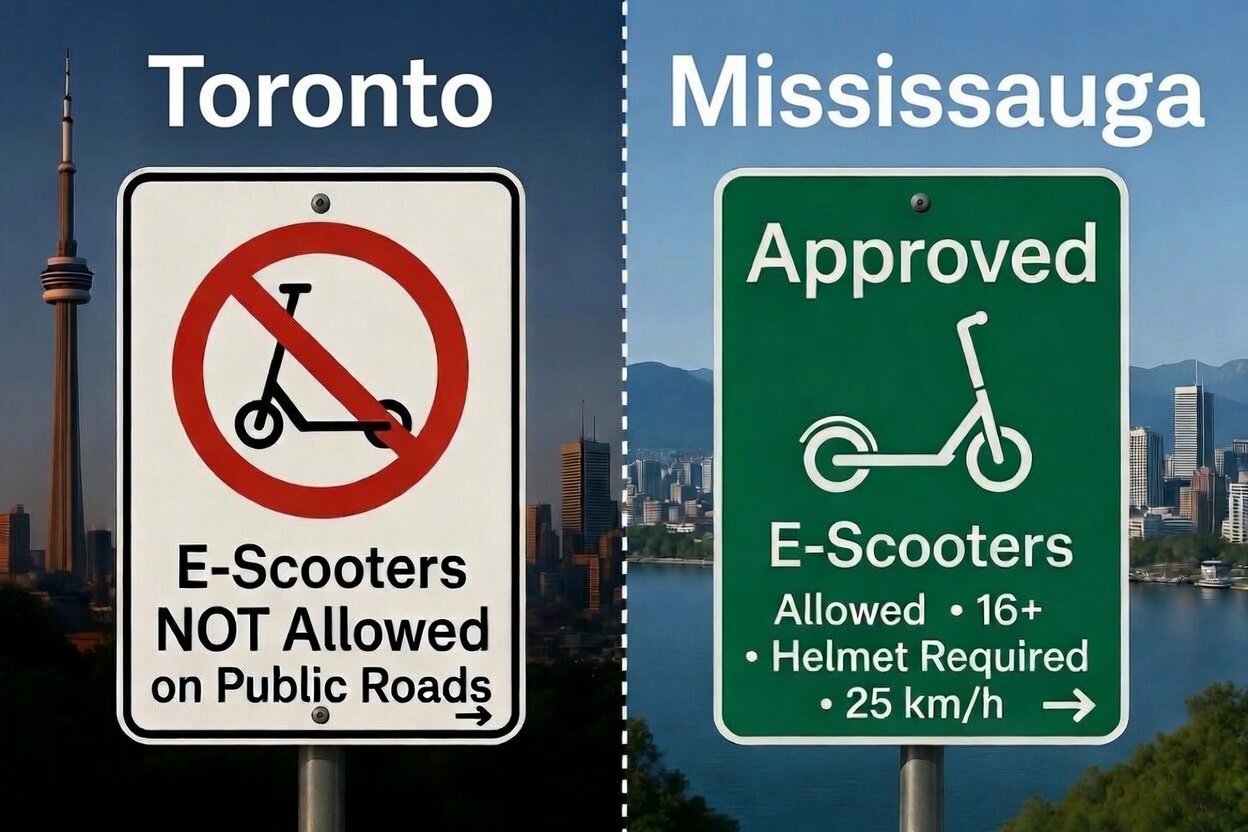
Imagine this: you ride your e-scooter down a sunny bike path in Mississauga on a Saturday afternoon. Perfectly legal. Twenty minutes later, you cross into Toronto. Same scooter. Same speed. Same rider. Now you’re breaking the law — and you could be fined.
No warning sign. No border crossing. Just a patchwork of rules that even the police can’t keep straight.
This is Canada’s micromobility problem in 2026. E-bikes and e-scooters are exploding in popularity, but e-bike laws across Canada vary so wildly — province to province, city to city — that riders genuinely don’t know what’s legal until they get a ticket.
This guide cuts through the confusion. We cover every province, every major city quirk, and every rule that could catch you off guard. And if you’re buying new in 2026, we’ll tell you exactly what to look for before you spend a dollar.
🗞️ Breaking News: Ontario’s Ministry of Transportation closed its public consultation on a major e-bike reclassification proposal on June 7, 2026 — just days ago. New rules could take effect within months. We cover what’s changing in Section 4.
E-Bike Laws in Canada: The Federal Baseline
Before diving into provincial chaos, you need to understand the one set of rules that applies everywhere.
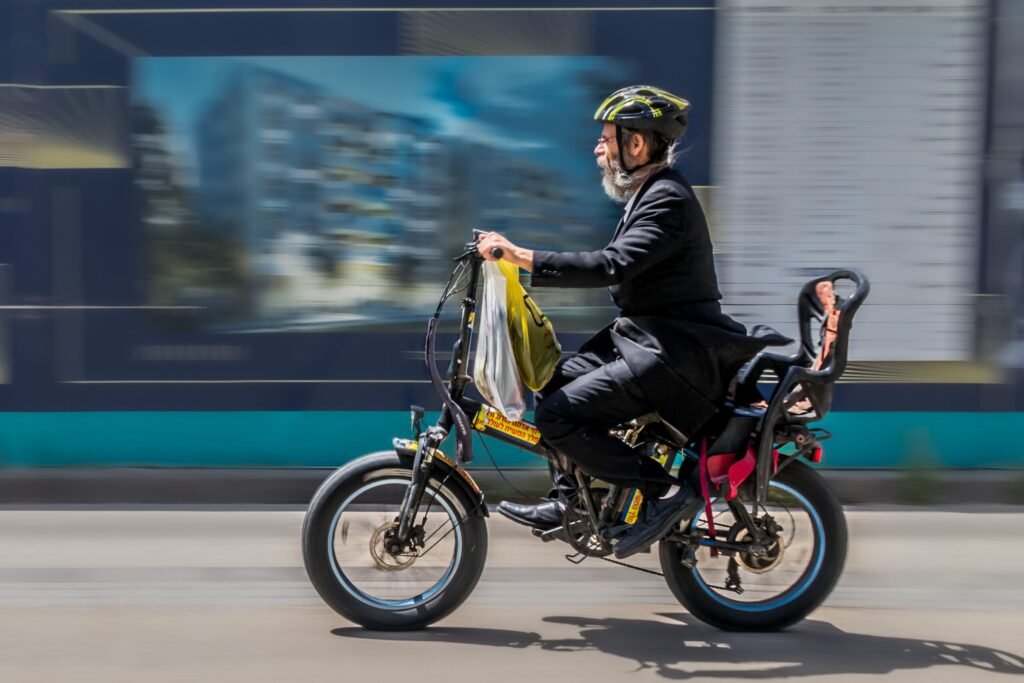
Transport Canada defines a legal e-bike as a Power-Assisted Bicycle (PAB). Meet these three criteria and you’re treated like a regular cyclist in every province — no licence, no registration, no insurance required.
The three golden rules of PAB compliance:
| Rule | Requirement |
|---|---|
| Motor power | 500W maximum (continuous/nominal output) |
| Maximum speed | Motor must cut off at 32 km/h on flat ground |
| Pedals | Must be fully operable — you must be able to pedal the bike under your own power |
That’s it. If your e-bike meets all three, you’re a cyclist under Canadian law. This is the foundation all e-bike laws in Canada are built on — everything else is a provincial variation on top of it.
Miss even one and everything changes. A bike with a 750W motor — even if it’s software-limited to 32 km/h — is still a motor vehicle in Ontario and most other provinces. That means you need a driver’s licence, vehicle registration, and insurance to ride it legally on public roads.
⚠️ The 750W Trap: Thousands of Canadians have bought 750W e-bikes online, assuming a speed limiter makes them legal. It doesn’t. The law classifies by motor rating, not by software settings. If you’re not sure about your bike, check the motor nameplate — not the listing description.
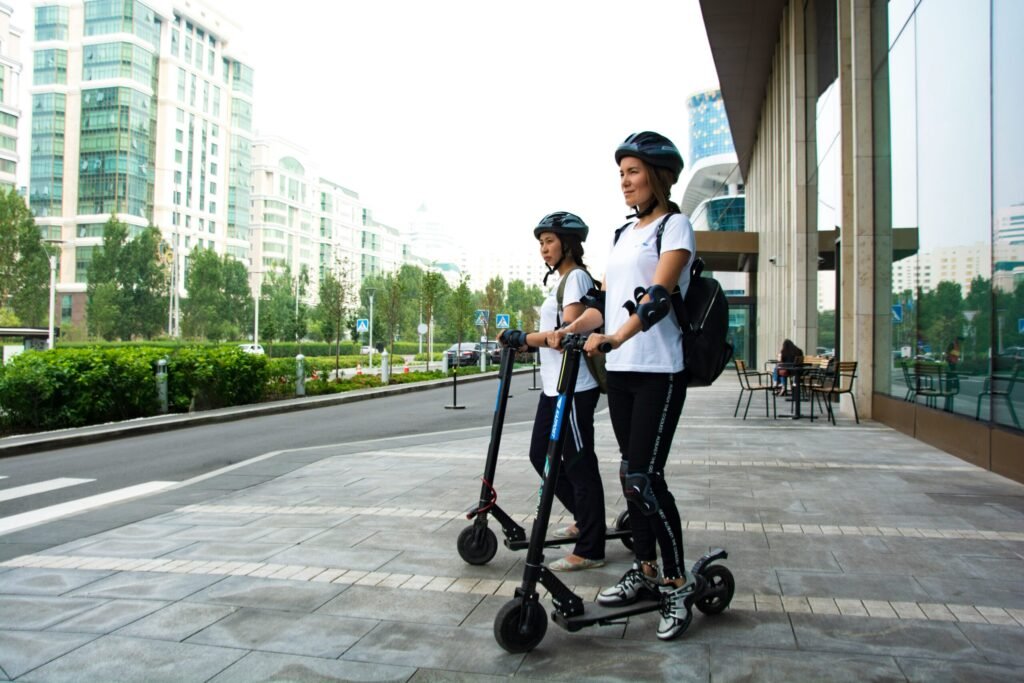
E-scooters fall into an entirely different category — and a much messier one. Because most e-scooters have no pedals, they can’t qualify as PABs under federal law. This pushes them into a grey zone where each province has to make up its own rules. The results, as you’ll see, are all over the map.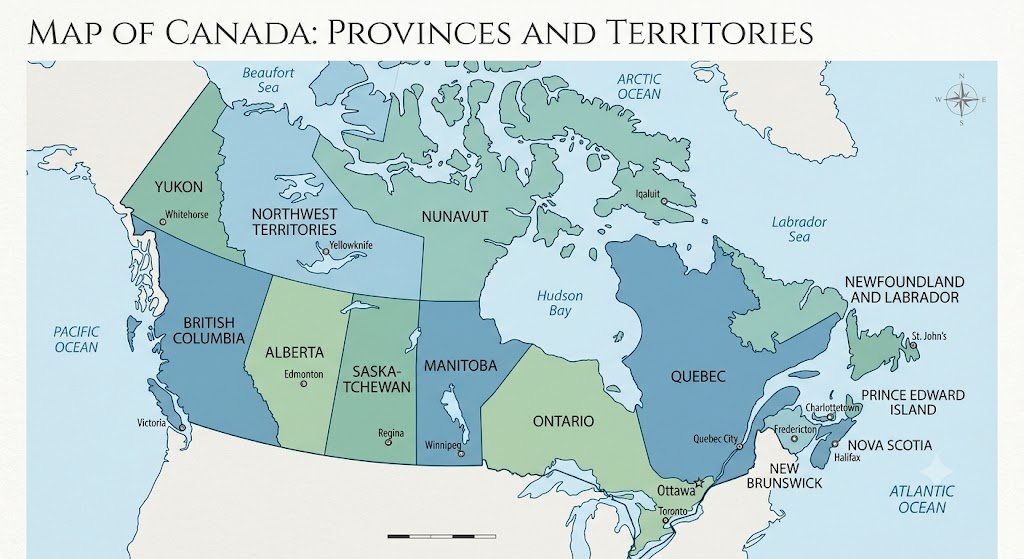
Section 1: E-Bike Laws in Canada — Province by Province
Every province and territory caps e-bikes at 500W and 32 km/h — that part is consistent. But helmet laws, age limits, where you can ride, and licensing requirements vary significantly.
Here’s the complete 2026 picture:
E-Bike Rules by Province (2026)
| Province / Territory | Min. Age | Helmet Required | Licence Needed | Notable Rule |
|---|---|---|---|---|
| Ontario | 16 | Yes (all ages) | No | Rewrite underway — see Section 4 |
| British Columbia | 16 | Yes (all ages) | No | Two-class system (250W vs 500W) |
| Quebec | 14 | Yes (all ages) | Class 6D (ages 14–17 only) | No highway riding |
| Alberta | 12 | Yes | No | Most permissive province in Canada |
| Manitoba | 14 | Under 18 only | No | Adults exempt from helmet rule |
| Saskatchewan | 14 | Yes (all ages) | No | Two-class PAB system |
| Nova Scotia | 16 | Yes (all ages) | No | Only province allowing e-bikes on highways |
| New Brunswick | 16 | Yes (all ages) | No | Strict wheel and seat height requirements |
| PEI | 16 | Yes (all ages) | No | Removed registration requirement in 2021 |
| Newfoundland | 16 | Yes (all ages) | No | Follows federal PAB definition |
| Yukon | None | No | No | Most permissive territory — no age or helmet rule |
| NWT / Nunavut | None | Yes | No | Follow federal baseline |
Province Highlights
Alberta — the wild card: Alberta allows riders as young as 12 years old with no licence, insurance, or registration required. It’s the most permissive province in Canada. Edmonton did tighten one rule in May 2025 — sidewalk fines doubled from $100 to $250.
Quebec — the only licence province: Quebec is the only jurisdiction in Canada that requires any form of licensing for e-bike riders. Anyone aged 14 to 17 must hold a Class 6D moped licence from the SAAQ. Adults are exempt. Quebec also restricts throttle use more heavily than other provinces.
British Columbia — the two-class system: BC is unique in running a formal two-class framework. Light e-bikes cap at 250W and 25 km/h. Standard e-bikes follow the federal 500W/32 km/h standard. Both classes allow riding on roads, bike lanes, and most multi-use paths.
Nova Scotia — highway legal: Nova Scotia is the only province in Canada that explicitly allows compliant e-bikes on highways. Every other province either prohibits this outright or leaves it unclear.
Section 2: E-Scooter Laws — The Bigger Mess
If e-bike rules are complicated, e-scooter rules are a genuine regulatory disaster.
The core problem: because most e-scooters have no pedals, they can’t qualify as power-assisted bicycles under federal law. Transport Canada hasn’t created a national e-scooter standard. So every province has had to improvise — and they’ve all improvised differently.
E-Scooter Status by Province (2026)
| Province | Personal E-Scooter | Rental E-Scooter | Key Restriction |
|---|---|---|---|
| Ontario | Legal in opt-in cities only | Legal in opt-in cities only | Toronto opted OUT — ban in effect |
| British Columbia | Legal in pilot communities | Legal in pilot communities | Vancouver participates; pilot runs to April 2028 |
| Quebec | Legal under SAAQ pilot | Legal under SAAQ pilot | Pilot runs to July 2026; extension expected |
| Alberta | Illegal on public roads | Legal (rentals only, select cities) | Calgary, Edmonton allow rentals via Bird, Lime, Neuron |
| Manitoba | Illegal | Illegal | No provincial framework |
| Saskatchewan | Legal in opt-in cities | Legal in opt-in cities | Saskatoon participates; helmet and 16+ age required |
| Nova Scotia | Illegal | Illegal | No pilot program |
| New Brunswick | Illegal | Illegal | Classified as moped if motorized |
| Newfoundland | Classified as moped | Classified as moped | Requires licence, registration, insurance |
| PEI | Unregulated | Unregulated | Legal status unclear |
The Toronto Situation
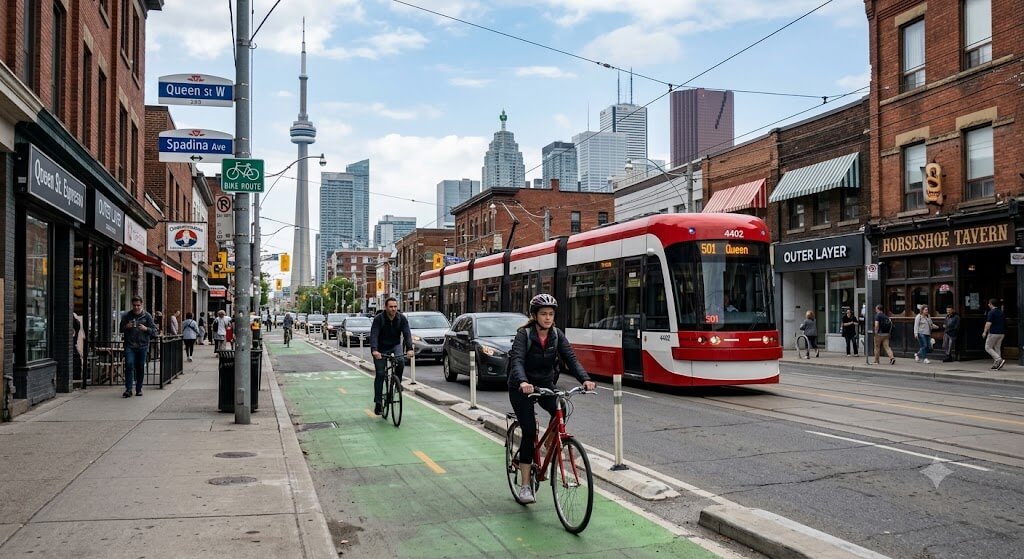
Toronto deserves special attention because it represents the starkest contradiction in Canadian micromobility policy.
Toronto City Council voted to ban e-scooters twice — unanimously in 2021 and again overwhelmingly in May 2024. The city opted out of Ontario’s pilot program entirely. Riding an e-scooter anywhere in public — road, sidewalk, bike lane, or park — is illegal and enforceable.
The enforcement reality is messier. In all of 2023, Toronto police issued just 89 tickets related to e-scooters and sidewalk riding. The city’s own staff acknowledged their enforcement capacity is limited. So thousands of riders continue to use e-scooters daily in Toronto, knowing the rule exists but calculating the risk as low.
The city’s official micromobility page confirms the ban is still in effect as of 2026.
The Ontario Pilot — How It Actually Works
Ontario runs an e-scooter pilot program that gives municipalities the choice to opt in and legalize e-scooters within their boundaries. The pilot has been extended through 2029.
Cities that opted in include Ottawa, Hamilton, Kingston, Brampton, and several others. Each city sets its own speed limits and rules on top of the provincial baseline (24 km/h max, 16+ age, helmet required).
Ottawa, for example, caps e-scooters at 20 km/h — four kilometres per hour slower than the provincial maximum — and starts sidewalk fines at $150.
Alberta’s Rental-Only Paradox
Alberta’s e-scooter rules are arguably the most confusing in the country. Personal e-scooters are classified as “prohibited miniature vehicles” under Alberta’s Traffic Safety Act — meaning you cannot legally ride your own e-scooter on any public road, sidewalk, or pathway in the province.
But you can rent one.
Calgary, Edmonton, Red Deer, and Lethbridge all allow rental e-scooters under municipal exemptions. Companies like Bird, Lime, and Neuron operate legally. Buy your own identical scooter, however, and you’re breaking the law the moment you ride it outside your driveway.
Section 3: What’s Changing Right Now
This is the most important section if you’re making a purchase decision in 2026.
Ontario’s E-Bike Overhaul (Breaking — June 2026)
On April 23, 2026, Ontario’s Ministry of Transportation posted ERO notice 026-0422, proposing the most significant rewrite of e-bike rules in the province’s history. The public consultation period closed June 7, 2026 — just days ago.
What’s being proposed:
The proposal creates two distinct classes of power-assisted bicycles:
- Class 1: Pedal-assist only, maximum weight 55 kg, exposed bicycle frame required. No throttle permitted.
- Class 2: Pedal-assist or throttle, maximum weight 120 kg, exposed bicycle frame required. Throttle e-bikes, fat-tire bikes, and most cargo e-bikes would fall here.
Anything that looks like a moped or motorcycle — the heavy, throttle-only machines that have flooded the market — would be reclassified as motor vehicles. That means a full motorcycle licence, registration, and insurance would be required.
The proposal also includes a 12-month education period before enforcement begins, giving current riders time to understand the new rules.
Toronto City Council has formally submitted comments to the province supporting the two-class proposal and has asked city staff to report back by January 2027 on amending local bylaws accordingly.
Ontario’s Cargo E-Bike Pilot Expired
Ontario’s Cargo E-Bike Pilot — which allowed cargo e-bikes up to 1,000W to operate legally — expired in March 2026. The province has proposed a five-year extension, but no final decision has been made. If you own or operate a cargo e-bike over 500W in Ontario, check the status of this extension before riding.
Section 4: E-Bike Laws in Canada — Gotchas That Trip Up Even Experienced Riders
You Can Get a DUI on an E-Bike
This surprises almost everyone. The Criminal Code of Canada’s impaired driving provisions define a “conveyance” broadly enough to include e-bikes. Because e-bikes have motors, they qualify as conveyances — and riding one while impaired can result in a full criminal DUI charge.
Toronto DUI lawyers confirm that an intoxicated e-bike rider can face arrest, breath testing at a police station, a 90-day licence suspension, and full criminal prosecution — the same path as a car DUI. This applies in every province.
A regular bicycle is not a conveyance under the Criminal Code. An e-bike is. That’s the line.
Modifying Your E-Bike Voids Its Legal Status Instantly
Tuning your e-bike to exceed 32 km/h or 500W — whether through hardware or a software unlock — removes its PAB status everywhere in Canada. This applies even temporarily. The legal reclassification to motor vehicle happens the moment the modification is made, not the moment you’re caught.
As legal experts note, this also applies to speed unlocks popular on social media. The modification voids your warranty and exposes you to motor vehicle penalties in every province.
Toronto’s Parkland Trap
Even if your e-bike is fully PAB-compliant, Toronto has an additional rule most riders don’t know: motorized vehicles — including throttle e-bikes — cannot be used on park multi-use paths. This includes the Waterfront Multi-use Path, the Don Valley paths, and the Humber River trails — all classified as parkland. Bylaw enforcement officers can fine you.
The West Toronto Railpath and the Hydro Corridor trails are also classified as linear parks and fall under the same restriction.
The TTC Transit Rule
The Toronto Transit Commission bans e-bikes from buses and subways from November to April. Outside of those months, folding e-bikes under a certain size may be permitted, but rules vary by route and operator discretion. Check the TTC’s current e-bike policy before planning your route.
Buying a 750W Bike Online
Online listings routinely describe 750W e-bikes as “speed-limited to 32 km/h” and imply this makes them legal in Canada. It doesn’t — at least not in Ontario and most other provinces. The classification is based on motor rating, not on what the bike actually does. If you’re buying online, verify the nominal wattage on the motor label, not the listing copy.
Section 5: Our Take — Is This Working?
No. And it’s not close. E-bike laws in Canada in 2026 are a fragmented mess — and the people paying the price are everyday riders who bought in good faith.
The patchwork of rules across Canada isn’t protecting anyone — it’s just creating confusion. The Toronto e-scooter ban is the clearest proof of this. The city voted twice to ban e-scooters. Enforcement has been minimal — 89 tickets in an entire year in a city of three million people. The scooters are everywhere. The ban achieved nothing except to ensure that the riders who do use e-scooters have no legal framework guiding how they should ride.
Meanwhile, Mississauga, Ottawa, and Hamilton are running functional e-scooter programs with no sign of the chaos Toronto predicted.
The federal government has largely left this to provinces, and provinces have largely left it to municipalities, and the result is a legal landscape so fragmented that even lawyers and police officers can’t always tell you what’s legal.
Ontario’s proposed two-class e-bike framework is the most sensible policy proposal we’ve seen in years. Separating lightweight pedal-assist commuters from heavy moped-style machines makes intuitive sense. If it passes — and the consultation response appears broadly supportive — it could become a model other provinces adopt.
The e-scooter situation still needs a national conversation. The current “opt-in pilot” model gives cities flexibility, but it also means a rider in Brampton has different rights than a rider in Toronto, 20 minutes away, with no logical reason for the difference. Canada needs a federal baseline for e-scooters just as it has one for e-bikes. Until that happens, riders will keep getting caught off guard.
E-Bike Laws Canada 2026 — FAQ
Do I need a licence to ride an e-bike in Canada?
No — in most provinces, a compliant e-bike (500W, 32 km/h, operable pedals) requires no licence, registration, or insurance. The only exception is Quebec, where riders aged 14 to 17 must hold a Class 6D moped licence from the SAAQ.
Are e-scooters legal in Toronto?
No. Toronto City Council voted to ban e-scooters from all public spaces in 2021 and again in May 2024. Riding one on a road, sidewalk, bike lane, or park path is illegal. Enforcement is light but the law is unambiguous.
Can I get a DUI on an e-bike in Canada?
Yes. Because e-bikes have motors, they qualify as “conveyances” under the Criminal Code of Canada. An impaired e-bike rider can face arrest, breath testing, a 90-day licence suspension, and full criminal prosecution — the same as a car DUI.
What happens if my e-bike exceeds 500W in Canada?
It’s immediately reclassified as a motor vehicle in every province. You’ll need a driver’s licence, vehicle registration, and insurance to ride it legally on public roads. Fines for non-compliance vary by province but can be significant.
Which province has the most permissive e-bike laws?
Alberta, where riders as young as 12 can ride with no licence, insurance, or registration required. Yukon is the most permissive territory — no age minimum, no helmet requirement.
Is it legal to ride an e-scooter in Ottawa?
Yes, but with restrictions. Ottawa participates in Ontario’s pilot program. The city caps e-scooter speed at 20 km/h (lower than Ontario’s 24 km/h maximum), requires helmets, and sets sidewalk fines starting at $150.
What is Ontario proposing for e-bike rules in 2026?
Ontario posted a proposal in April 2026 to create two classes of e-bikes — Class 1 (pedal-assist only, 55 kg max) and Class 2 (throttle or pedal-assist, 120 kg max). Anything resembling a moped would be reclassified as a motor vehicle. The public consultation closed June 7, 2026.
Can I ride my e-bike on Toronto’s multi-use trails?
Pedal-assist e-bikes are generally permitted on road bike lanes and streets in Toronto. However, throttle-equipped e-bikes and all motorized vehicles are banned from park multi-use paths — including the Waterfront Trail, Don Valley paths, and Humber River trails.
Do I need insurance for an e-bike in Canada?
No — not for a compliant PAB (500W, 32 km/h, operable pedals) in any province. If your bike exceeds those thresholds and is reclassified as a motor vehicle, insurance becomes mandatory.
Are personal e-scooters legal in Alberta?
No. Alberta classifies personal e-scooters as “prohibited miniature vehicles” — they cannot be ridden on any public road, sidewalk, or pathway. Only rental e-scooters from companies like Bird, Lime, and Neuron operate legally in select cities under municipal exemptions.

E-Bike Laws Canada 2026 — What to Check Before You Buy
Before purchasing any e-bike or e-scooter in Canada, run through this quick checklist:
- Motor wattage — Is it 500W nominal or less? Check the motor nameplate, not the listing description.
- Speed assist cutoff — Does the motor disengage at 32 km/h? Test it or confirm with the retailer.
- Operable pedals — Can you physically pedal the bike without motor assistance?
- Your province’s age rule — Alberta minimum is 12; Ontario, BC, and most others are 16.
- Your city’s specific bylaws — Toronto, Ottawa, Vancouver, and Calgary all layer additional rules on top of provincial ones.
- E-scooter status in your city — Is your municipality part of a pilot program? Personal or rental only?
If you’re considering a home charger alongside your e-bike setup, check out our guide to the best Level 2 home EV chargers in 2026.
This article is for informational purposes only. Micromobility laws in Canada change frequently. Always consult your provincial transportation authority — MTO (Ontario), SAAQ (Quebec), ICBC (BC), or the equivalent in your province — for the most current regulations before riding or purchasing.
Last verified: June 15, 2026. eMobilityNow will update this article as new rules take effect.
Thinking about going fully electric? See how the two best-selling electric sedans stack up in our Tesla Model 3 vs BYD Seal review.
Next in the series: E-Bike Laws Australia 2026: Inside the World’s Toughest Crackdown — covering Queensland’s world-first licence requirement, NSW’s seize-and-crush powers, and the 12 deaths that changed everything.
Also see ebike laws in USA 2026 https://emobilitynow.com/e-bike-laws-usa-2026/Now live on eMobilityNow.com