Last verified: June 18, 2026 | Part 2 of the Global Micromobility Law Series
E-bike laws in Australia in 2026 have changed faster and more dramatically than almost anywhere else in the world. In 2025, 12 people died and more than 6,300 were injured in e-mobility incidents in Queensland alone. That number is the reason three Australian states have, within the space of a few weeks, introduced some of the toughest e-bike laws anywhere in the world.
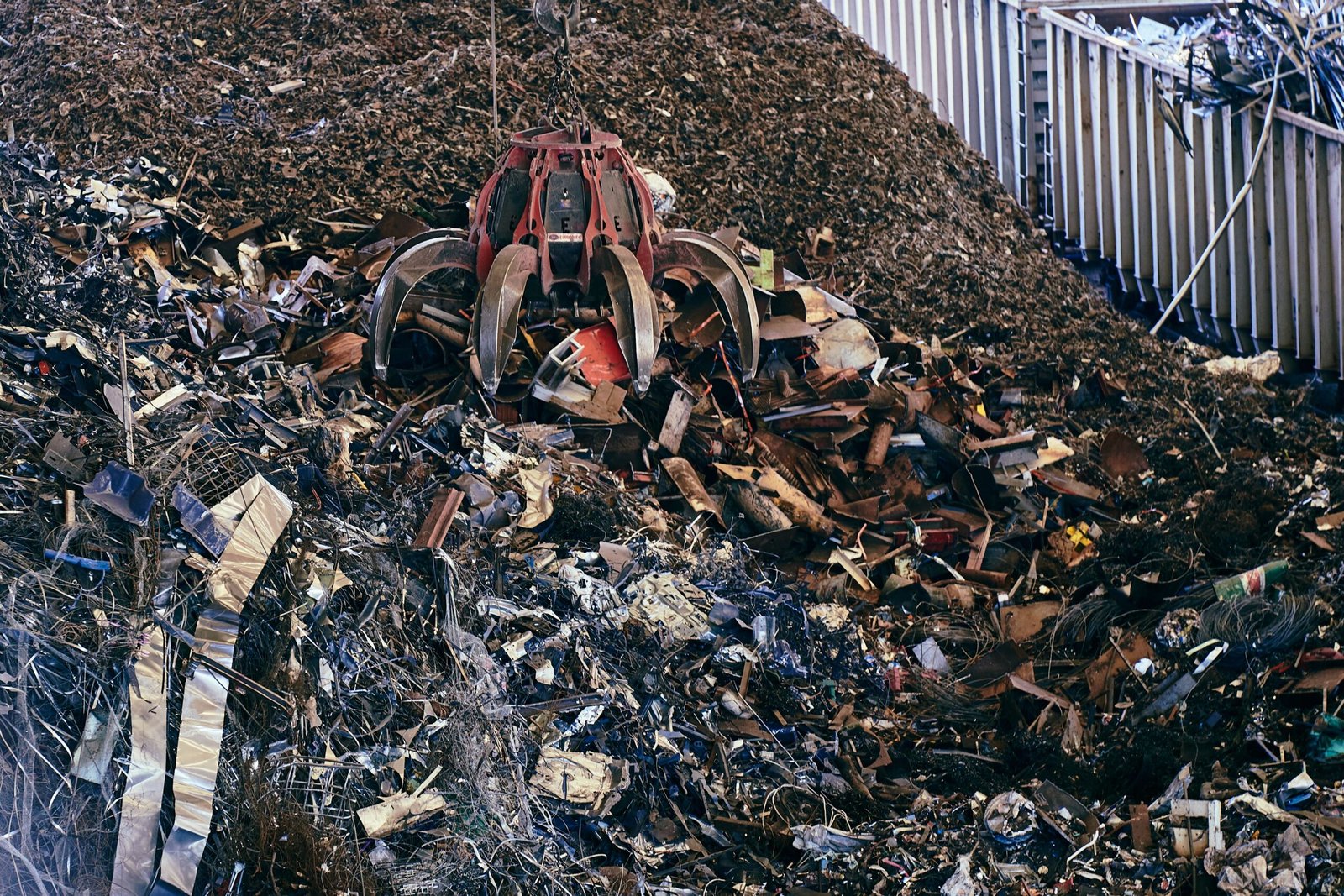
If you’re trying to understand e-bike laws in Australia in 2026, here’s what you need to know up front: this isn’t a minor regulatory tweak. Queensland now requires riders to hold an actual driver’s licence to ride a legal e-bike — a world-first. New South Wales just gave police the power to seize your e-bike on the spot and have it physically crushed. Western Australia has already been doing exactly that for months.
This guide walks you through every state, what changed, what’s still changing, and what it means if you own — or are thinking about buying — an e-bike or e-scooter in Australia right now.
🗞️ Breaking News: Queensland’s new licensing and under-16 ban laws take effect in stages from July 1, 2026. NSW’s seizure and crushing powers are already active. This article is being updated as enforcement rolls out — check the “last verified” date above.
E-Bike Laws Australia 2026 — Why This Is Happening Now
The numbers tell the story. Queensland’s parliamentary inquiry into e-mobility safety found that 12 people were killed and more than 6,300 were injured in e-bike and e-scooter incidents across the state in 2025 alone. That single statistic triggered a 28-recommendation overhaul that Queensland’s government accepted in full.
Meanwhile in Victoria, a targeted enforcement operation called Operation Consider found that 52% of e-bikes intercepted in Melbourne’s CBD were non-compliant — meaning more than half the e-bikes on the road in Australia’s second-largest city didn’t meet legal power or speed limits.
The common thread across every state: throttle-only, high-powered “e-motorbikes” disguised as e-bikes. These devices can hit speeds of 50–70 km/h, have no functioning pedal-assist requirement, and are increasingly linked to serious injuries, anti-social riding, and lithium-ion battery fires.
Governments have decided the era of self-regulation is over.
E-Bike Laws Australia 2026 — Section 1: Queensland’s Licence Requirement
Queensland’s reforms, introduced as the Transport and Other Legislation (Managing E-mobility Use and Protecting Our Communities) Amendment Bill 2026, are the most sweeping of any Australian state.
Transport Minister Brent Mickelberg described them as “nation-leading reforms.” That’s not an exaggeration — no other Australian state currently requires a licence to ride a legal e-bike. Queensland will be the first.
What’s Changing in Queensland
| Change | Detail | Effective |
|---|---|---|
| Under-16 ban | Riders under 16 banned from public roads, paths, and shared spaces on e-bikes and e-scooters | August 31, 2026 |
| Licence requirement | Riders 16+ must hold at least a learner driver’s licence (any class) | August 31, 2026 |
| Speed limit (general) | E-bike motor assistance capped at 25 km/h; e-scooters and PMDs capped at 25 km/h | July 1, 2026 |
| Footpath speed limit | 10 km/h on footpaths and near pedestrians on shared paths | July 1, 2026 |
| Parent liability | Parents can be fined if their under-16 child rides illegally, unless they prove they took reasonable steps to prevent it | July 1, 2026 |
| Police seizure powers | Police can seize and destroy illegal devices on the spot | July 1, 2026 |
| Compliance labelling | Mandatory compliance labelling for all e-bikes sold in Queensland | February 28, 2027 |
There are exemptions: electric wheelchairs and powered accessibility devices for people with disabilities are not affected. Riders aged 12–17 may still ride under direct parental supervision in some circumstances, and medical exemptions apply in limited cases.
Premier David Crisafulli framed the changes plainly: “We promised we’d take action on e-bikes and e-scooters. These reforms will help make Queensland safer.”
According to Queensland’s official StreetSmarts guidance, devices capable of exceeding 25 km/h under motor power will be reclassified as motorcycles or mopeds entirely — requiring full registration and insurance, not just a learner’s licence.
Section 2: New South Wales — Seize and Crush Becomes Law
If Queensland’s approach is about licensing, NSW’s approach is about enforcement teeth. The Road Transport Amendment (Non-registrable Motor Vehicles) Bill 2026 passed NSW Parliament in March 2026, and the message from the government has been blunt: “if it behaves like a motorbike, it’s probably illegal and could end up in the crusher.”
What Changed in NSW
| Rule | Before March 2026 | After March 2026 |
|---|---|---|
| Motor power limit | 500W (NSW was the only state allowing this) | 250W — aligned with the rest of Australia |
| Standard required | No mandatory EN15194 certification | EN15194 European standard required by March 2029 |
| Enforcement | Visual inspection only; lengthy court process to remove a vehicle | On-the-spot seizure; portable roadside “dyno units” test power and speed |
| Seized bikes | Could often be reclaimed after fines paid | No-return clause — non-compliant bikes can be permanently destroyed |
| Retailer penalties | Limited enforcement against sellers | Fines of up to $825,000 for selling non-compliant e-bikes |
| Throttle rules | Loosely enforced | Throttle permitted only for “walk assist” up to 6 km/h without pedalling |
⚠️ The Grace Period: If you bought and owned a 500W e-bike in NSW before March 1, 2026, you can keep riding it until March 1, 2029. After that date, every e-bike over 250W becomes illegal on NSW roads — regardless of when it was purchased. Buying a 500W bike new today gets you no grace period at all.
There are an estimated 760,000 e-bikes already in NSW, which gives a sense of just how many riders this transition affects. NSW Police and Transport for NSW have received their first European-made dyno testing unit, with more on order, and Minister for Police Yasmin Catley confirmed the laws “give police and transport officers the powers they need to efficiently and permanently remove these devices from our streets.”
Operation Kilowatt, an earlier enforcement push, had already been issuing $818 fines for illegal e-bike use before the crushing powers even came into force. NSW has also banned converted e-bikes — regular bicycles retrofitted with a motor — from Sydney Trains, NSW TrainLink, and Metro services since November 2025.
NSW is also reviewing a minimum riding age, expected to land somewhere between 12 and 16 years old, though no final figure has been set as of this writing.
Section 3: The Rest of the Map — WA, Victoria, and the Holdouts
Western Australia — Already Crushing Bikes
WA isn’t reacting to a new law — it’s the model the other states are copying. WA already requires riders to be at least 16 years old, and police there have been seizing and crushing non-compliant e-bikes for months under existing legislation.
Operation Moorhead, launched in Perth in early 2026, is a clear illustration of how this plays out in practice: police seized 36 e-rideables and charged 25 juveniles aged 11 to 16, along with 4 adults, with traffic offences including “no authority to drive” and “use of unlicensed vehicle on a road.”
Victoria — Enforcement Without New Legislation
Victoria follows the standard national 250W rule and currently requires no licence or registration for a compliant e-bike. But enforcement has ramped up sharply. Victoria Police have been actively targeting high-powered “scrambler-style” e-bikes, seizing them as unregistered motor vehicles under existing road laws.
The numbers from Operation Consider are striking: 52% of e-bikes intercepted in Melbourne’s CBD were found to be non-compliant. Riders caught on illegal devices can face stacked fines — unregistered vehicle, unlicensed driving, and more — that easily exceed $800 combined.
National Comparison Table (2026)
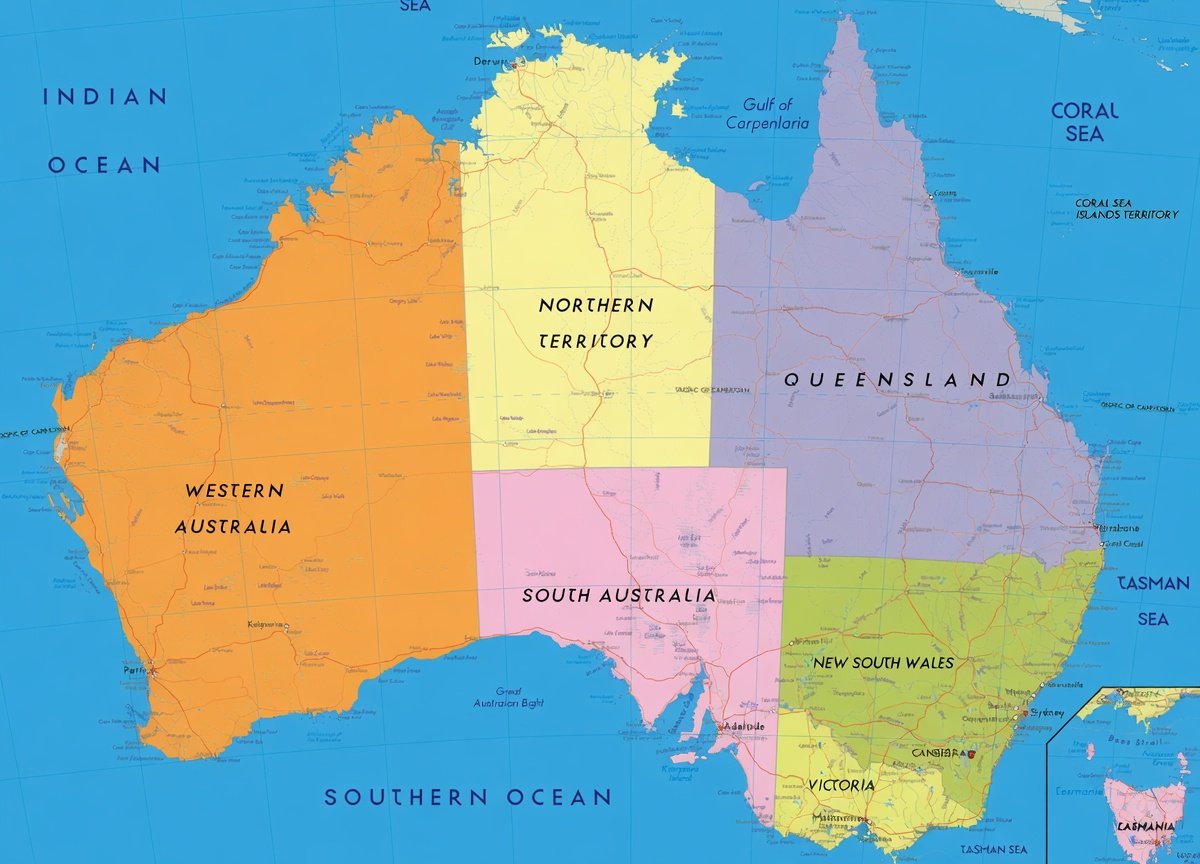
| State | Power Limit | Min. Age | Seizure/Crush Powers | Licence Required |
|---|---|---|---|---|
| Queensland | 250W / 25 km/h | 16 (from Aug 2026) | Yes, from July 2026 | Yes — learner licence minimum |
| New South Wales | 250W / 25 km/h | Under review (12–16) | Yes, active since March 2026 | No |
| Western Australia | 250W / 25 km/h | 16 | Yes, active for over a year | No |
| Victoria | 250W / 25 km/h | No minimum | Via unregistered vehicle laws | No |
The pattern is unmistakable: every state is converging on the same 250W/25km/h EN15194 standard, and every state is rapidly adding enforcement teeth — seizure, crushing, fines, or all three.
Section 4: What This Means If You Own or Want to Buy an E-Bike
Cutting through all the state-by-state detail, here’s the practical reality for riders and buyers right now.
The National Standard, In Plain English
A legal e-bike in Australia is called an EPAC — Electrically Power-Assisted Cycle. To qualify:
- Motor power must not exceed 250W continuous rated output
- Motor assistance must cut out at 25 km/h
- The motor can only assist while you are pedalling — throttle-only operation above walking pace is illegal everywhere
- Throttles are only legal for “walk assist” up to about 6 km/h
- The bike should ideally carry EN15194 certification, which is becoming the mandatory national benchmark
⚠️ If your bike fails any of these, it isn’t a bicycle under Australian law. It’s classified as an unregistered motor vehicle — meaning unlicensed driving charges, no insurance coverage, and in NSW, WA, and soon Queensland, the very real possibility of having it seized and destroyed.
How to Check Your Own E-Bike
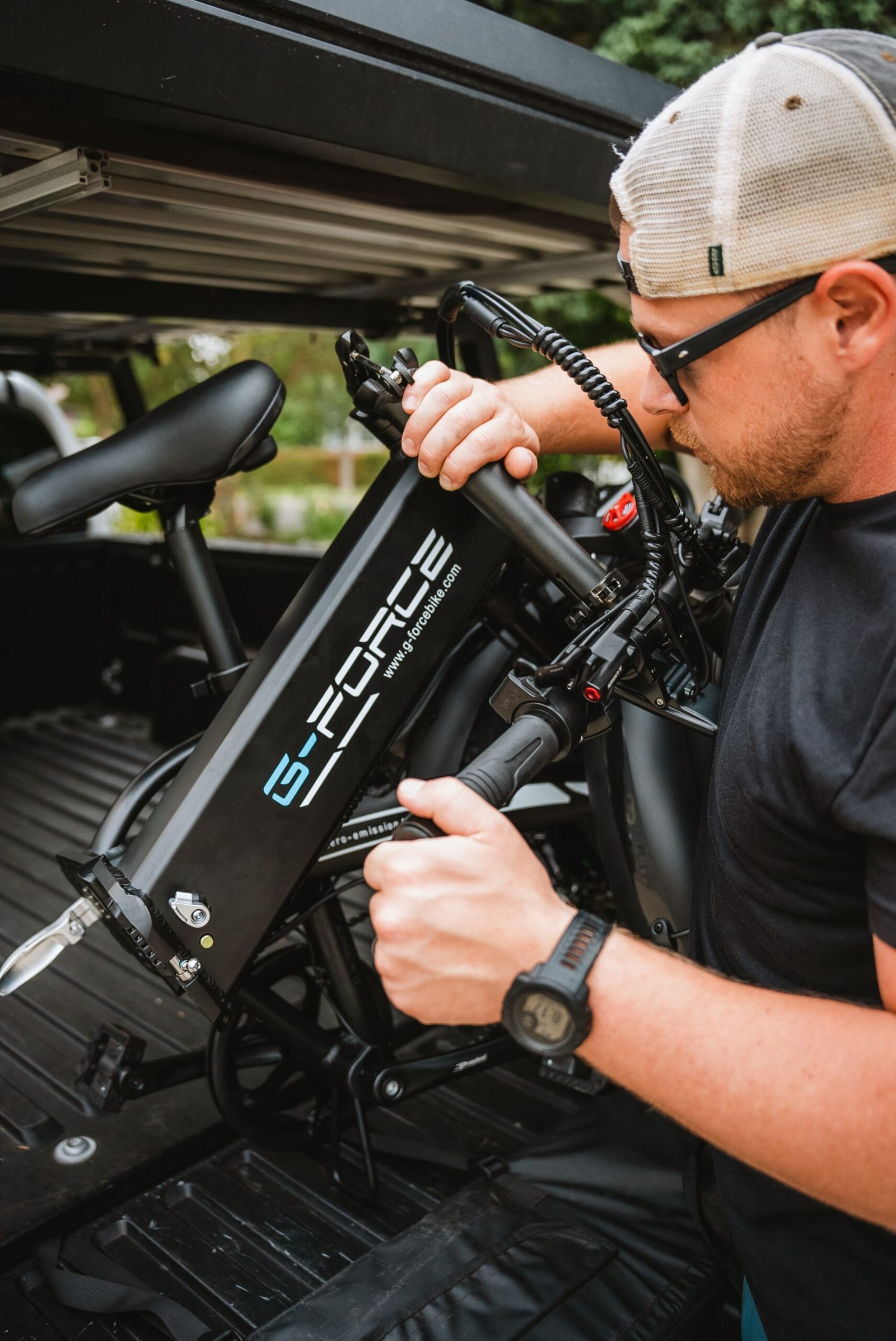
- Check the motor nameplate — look for the wattage rating, not the marketing description
- Test the throttle — if it propels the bike above walking pace without you pedalling, it’s non-compliant
- Check for EN15194 certification — increasingly required for legal sale and import
- Know your state’s grace period — NSW owners of pre-March-2026 500W bikes have until 2029; new purchases get no grace period anywhere
- Avoid derestriction kits — unlocking a bike to exceed 25 km/h instantly reclassifies it as an unregistered motor vehicle, voids insurance, and exposes you to seizure
If Your E-Bike Gets Seized
In NSW and WA, there is no guaranteed right to get a non-compliant e-bike back. The legislation includes a deliberate “no return” clause for devices that cannot be registered as motor vehicles. Queensland’s seizure powers, effective from July 2026, are expected to work the same way.
The safest assumption: if your e-bike can be ridden faster than 25 km/h on motor power alone, treat it as at risk of permanent loss the moment it’s stopped by police.
Section 5: Our Take — The Toughest E-Mobility Laws in the World?
Probably, yes — and the data suggests that might be justified.
It’s tempting to read headlines about police crushing bicycles and assume governments are overreacting to a moral panic. The Queensland numbers make that read hard to sustain: 12 deaths and 6,300 injuries in a single state in a single year is not a manufactured crisis. Victoria’s finding that more than half of intercepted Melbourne e-bikes were non-compliant tells a similar story — this isn’t a fringe problem, it’s the median experience on city streets.
What’s notable is the consistency. Unlike Canada’s fragmented, opt-in-pilot approach to e-scooters that we covered in Part 1 of this series, every Australian state has converged on the same 250W/25km/h benchmark. The disagreement isn’t about what’s legal — it’s about how hard to come down on what isn’t.
Queensland’s licence requirement is the genuinely novel piece here, and it will be worth watching whether other states follow. Requiring a learner’s licence is a low bar — it mostly just confirms a rider understands road rules — but it’s a meaningful philosophical shift: e-bikes are no longer being treated as bicycles with a helper motor. They’re being treated as light vehicles that happen to have pedals.
Whether “seize and crush” proves to be effective deterrence or mostly theatre remains to be seen. Either way, Australia is currently running the most aggressive real-world experiment in e-mobility enforcement anywhere in the world — and the rest of the world, including the patchwork systems in Canada and the US, is likely to be watching the results closely.
E-Bike Laws Australia 2026 — FAQ
Is my e-bike legal in NSW now?
It’s legal if it’s rated at 250W or less, has functioning pedals as the primary propulsion, and the motor cuts out at 25 km/h. If you bought a 500W e-bike before March 1, 2026, you can keep riding it until March 1, 2029. Anything bought new today must meet the 250W standard.
Can police really crush my e-bike in Australia?
Yes, in NSW and Western Australia right now, and in Queensland from July 2026. If your e-bike is classified as a non-compliant, unregistered motor vehicle, police can seize it on the spot, and it may not be returned — it can be permanently destroyed.
Do I need a licence to ride an e-bike in Australia?
Not yet, in most states. Queensland will become the first state to require at least a learner driver’s licence for riders 16 and over, effective August 31, 2026. No other state currently requires a licence for a compliant e-bike.
What is the legal power limit for e-bikes in Australia?
250 watts of continuous motor power, with assistance cutting out at 25 km/h, is now the standard across every state. NSW was the last holdout at 500W and repealed that allowance in March 2026.
Can children ride e-bikes in Queensland?
Not after August 31, 2026. Queensland is banning riders under 16 from using e-bikes and e-scooters on public roads, paths, and shared spaces. Limited exemptions exist for supervised riding and medical or disability circumstances.
What happens if my e-bike exceeds the speed or power limit?
It’s reclassified as an unregistered motor vehicle. You can face unlicensed driving charges, fines that frequently exceed $800 once stacked, and in NSW, WA, and soon Queensland, on-the-spot seizure with no guarantee of getting it back.
Are e-scooters covered by the same rules as e-bikes?
Largely yes. Most states apply the same 25 km/h motor-assisted speed cap to e-scooters and other personal mobility devices, with reduced limits — often 10 km/h — on footpaths and shared paths.
Is Victoria introducing seize-and-crush laws like NSW?
Not as standalone legislation yet. Victoria Police are already seizing non-compliant e-bikes under existing unregistered-vehicle laws, and enforcement has intensified, but Victoria has not passed a dedicated crushing law the way NSW has.
What is an EPAC?
EPAC stands for Electrically Power-Assisted Cycle — the legal definition of a compliant e-bike in Australia. To qualify, a bike must have a 250W motor limit, cut assistance at 25 km/h, and rely on pedalling rather than a throttle for propulsion above walking pace.
This article is for informational purposes only. E-mobility laws in Australia are changing rapidly across multiple states. Always confirm current requirements with your state’s transport authority — Queensland TMR, Transport for NSW, or the equivalent in your state — before riding or purchasing.
Last verified: June 18, 2026. eMobilityNow will update this article as Queensland’s July and August 2026 enforcement dates arrive.
Next in the series: E-Bike & E-Scooter Laws in the USA: A State-by-State Survival Guide — covering NYC’s proposed “Priscilla’s Law” licence plates, California’s new battery certification rules, and why 48 of 50 states now have some form of e-scooter legislation. Now live on eMobilityNow.com
Read all about it athttps://emobilitynow.com/e-bike-laws-usa-2026/