
Last verified: July 8, 2026 | Part 3 of the Global Micromobility Law Series
E-bike laws in the USA in 2026 are not one set of rules — they are 50 of them, plus the District of Columbia, plus whatever your city decides to layer on top of your state. What’s perfectly legal in Arizona can get your bike seized in New Jersey. What’s fine on a California bike path may be illegal on a California trail 10 feet away.
This is the guide that cuts through all of it. We cover the federal baseline, the three-class system that most states use, the states that have broken from that system entirely, the cities making their own rules, and the bills moving through legislatures right now that could change everything again before the year is out.
If you own an e-bike, are thinking about buying one, or ride an e-scooter anywhere in the United States, this is what you need to know in 2026.
🗞️ Breaking News: New Jersey eliminated its three-class e-bike system entirely in January 2026, reclassifying all e-bikes as motorized bicycles requiring a licence, registration, and insurance. The registration deadline is July 19, 2026 — days away. Florida’s SB 382, which passed both chambers unanimously, was vetoed by Governor DeSantis on June 25, 2026. This article is updated as new laws take effect.
E-Bike Laws USA 2026 — The Federal Baseline
The United States federal government defines a “low-speed electric bicycle” under the Consumer Product Safety Act as a two- or three-wheeled vehicle with fully operable pedals, a motor under 750W, and a top motor-assisted speed of 20 mph on a level surface. Meeting this definition makes an e-bike a consumer product — not a motor vehicle — at the federal level.
What that federal definition does not do is determine where you can ride, whether you need a helmet, what age you must be, or whether you need a licence. All of those decisions belong to the states — and increasingly, to individual cities and counties on top of the states.
The result is a layered system that confuses even experienced riders. Here’s how it works.
The Three-Class System — How Most States Organize E-Bike Rules
As of 2026, a total of 36 states and the District of Columbia have adopted the three-class system to legally define electric bicycles. Here’s what each class means in practice:
| Class | How It Works | Speed Limit | Throttle? |
|---|---|---|---|
| Class 1 | Pedal-assist only — motor helps only while you pedal | 20 mph assist cutoff | No |
| Class 2 | Throttle-assisted — motor can propel you without pedalling | 20 mph assist cutoff | Yes |
| Class 3 | Pedal-assist only, faster — designed for road use | 28 mph assist cutoff | No |
Class 1 is the most universally accepted. It’s legal virtually everywhere in the country that allows e-bikes at all. Class 2 and 3 face more restrictions — particularly on trails, shared paths, and national parks.
⚠️ The 11 Licence States: Even within the three-class system, the following states still require a driver’s licence to ride an e-bike: Alabama, Alaska, Connecticut, Hawaii, Louisiana, Massachusetts, Missouri, New Jersey, New Mexico, North Dakota, and West Virginia. If you live in one of these, check your state’s specific rules before riding — even a fully compliant Class 1 bike may require paperwork.
E-Bike Laws USA 2026 — The States Making Headlines
New Jersey — The State That Killed the Three-Class System
New Jersey’s move is the single biggest shift in US e-bike law in years. As of 2026, New Jersey has formally eliminated the three-class system and now classifies all electric bicycles as “motorized bicycles.”
What that means in practice: riders must hold a specific licence, complete identity verification, a vision test, a written exam, and a road test. The vehicle must be registered and insured. The minimum riding age is 15.
New Jersey’s S4834 is already live, with a registration deadline of July 19, 2026. If you own any e-bike in New Jersey and haven’t registered it yet, you are days away from being in violation of the law.
The political fallout has been significant. Delivery workers’ advocacy groups — particularly Los Deliveristas Unidos, which represents app-based food delivery workers — have pushed back hard, arguing that registration and insurance costs fall disproportionately on low-income riders who depend on e-bikes for their livelihoods.
California — Battery Safety and Visibility Rules
California remains the most influential state for e-bike policy, partly because it was the first to adopt the three-class system back in 2015. In 2026, two new requirements took effect:
- Mandatory battery certification (SB 1271): All new e-bikes sold or leased in California must be tested by an accredited laboratory and comply with recognised safety standards such as UL 2849 or equivalent. Uncertified batteries or electrical systems may not be sold, and compliant products must carry clear certification labels.
- Rear light requirement: Electric bicycles must now be equipped with a rear red reflector or a solid/flashing red rear light with a built-in reflector at all times, not just at night.
Additional bills are still moving through California’s legislature. AB 1942 would add DMV registration and licence plates for Class 2 and Class 3 owners (Class 1 would remain exempt). SB 1167 focuses on holding sellers accountable for marketing high-powered e-motos as legal e-bikes. Neither has passed as of this writing.
New York and NYC — Two Sets of Rules in One City
New York State follows the three-class system and requires no licence, registration, or insurance for compliant e-bikes. But New York City layers its own rules on top — and they’re stricter.
The most significant NYC-specific rule: New York City now limits all e-bikes to 15 mph on city streets — well below the state’s class-based limits of 20–25 mph. This limit took effect October 24, 2025 and applies citywide, including in bike lanes.
Meanwhile, Priscilla’s Law (S2599A in the Senate, A339A in the Assembly) would require every e-bike and e-scooter operated in a city of one million or more to carry a licence plate and DMV registration. Named for Priscilla Loke, who was killed in Chinatown in 2023 by an electric Citi Bike rider, the bill is currently in committee and has not yet passed. E-bike collisions in NYC rose 11% in the first half of 2025.
Florida — The Veto That Surprised Everyone
Florida’s SB 382 passed both chambers of the state legislature unanimously — 37-0 in the Senate and 112-0 in the House — making it one of the most bipartisan e-bike bills in the country. Then on June 25, 2026, Governor Ron DeSantis vetoed it.
The bill would have capped e-bike speeds at 10 mph on sidewalks and paths when a pedestrian was within 50 feet, created a Micromobility Device Safety Task Force, and required crash data collection. DeSantis rejected it on the grounds that enforcing speed limits would “inevitably require speed detection devices and surveillance” — making it the first major e-bike safety bill in the US to be vetoed on liberty grounds.
Florida currently requires no licence, registration, or insurance for compliant three-class e-bikes, and that remains unchanged. The Safety Task Force that would have studied the issue and reported back in October 2026 is now off the table too.
Washington State — Tighter Definitions
Washington’s SSB 6110 took effect June 11, 2026, tightening the state’s e-bike definition. The change primarily affects borderline devices — anyone riding a high-powered throttle bike near the legal limit should recheck their specs against the new definition.
E-Bike Laws USA 2026 — State by State Snapshot
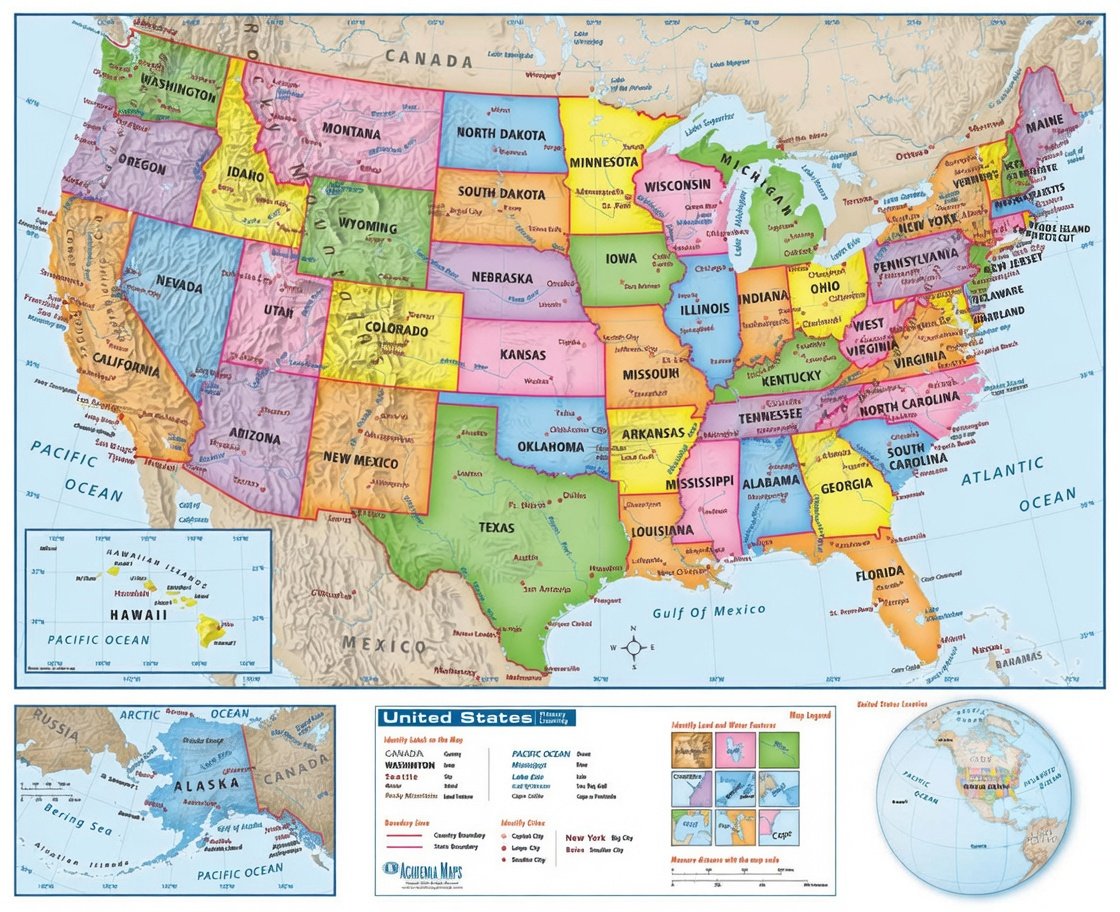
Here’s a quick reference table for key states. For the most current rules in your state, always verify with your state’s DMV or transportation authority.
| State | System | Licence Required | Helmet Required | Notable Rule |
|---|---|---|---|---|
| California | 3-class | No | Class 3 + under 18 | UL 2849 battery cert now required |
| New York | 3-class | No | Class 3 riders | NYC caps all e-bikes at 15 mph |
| New Jersey | No classes — all e-bikes = motorized bicycles | Yes | Yes | Registration deadline July 19, 2026 |
| Florida | 3-class | No | Under 16 | SB 382 vetoed by Governor DeSantis June 25, 2026 |
| Texas | 3-class | No | Under 18 | Class 3 restricted to roads and bike lanes |
| Washington | 3-class | No | Under 16 | New tighter definition from June 11, 2026 |
| Arizona | 3-class | No | No requirement | All 3 classes treated as bicycles |
| Colorado | 3-class | No | Under 18 | Class 1 and 2 on bike paths; Class 3 road only |
| Massachusetts | Motorized bicycle | Yes | Yes | Max speed 30 mph; insurance bill pending |
| Alaska | Motorcycle classification | Yes | Yes | Most restrictive state in the US |
| Utah | 3-class | No | Under 21 (expanded May 2026) | Helmet rule expanded to under-21 from May 6, 2026 |
E-Bike Laws USA 2026 — The City Layer
Even when you know your state’s rules, your city can add another set of restrictions on top. This is where many riders get caught off guard.
New York City
On top of New York State’s three-class rules, NYC caps all e-bikes at 15 mph citywide, bans sidewalk riding, and has strict battery certification requirements under Local Law 39 of 2023. NYC strictly prohibits the sale, lease, or rental of e-mobility devices that do not meet recognised safety standards, specifically UL 2272. Many landlords and office buildings ban non-certified devices from the premises entirely.
San Francisco / Los Angeles
California cities generally follow state law, but local trail access rules vary significantly. Class 3 bikes are often restricted to road use even where Class 1 and 2 are permitted on paths. Golden Gate Park, for example, has its own set of e-bike access rules separate from state law.
Chicago
Illinois follows the three-class system with no licence or registration required, but Chicago bans e-bikes from the Lakefront Trail entirely — one of the most popular cycling routes in the city. A pending state bill (SB 3336) would add insurance requirements for higher-speed devices.
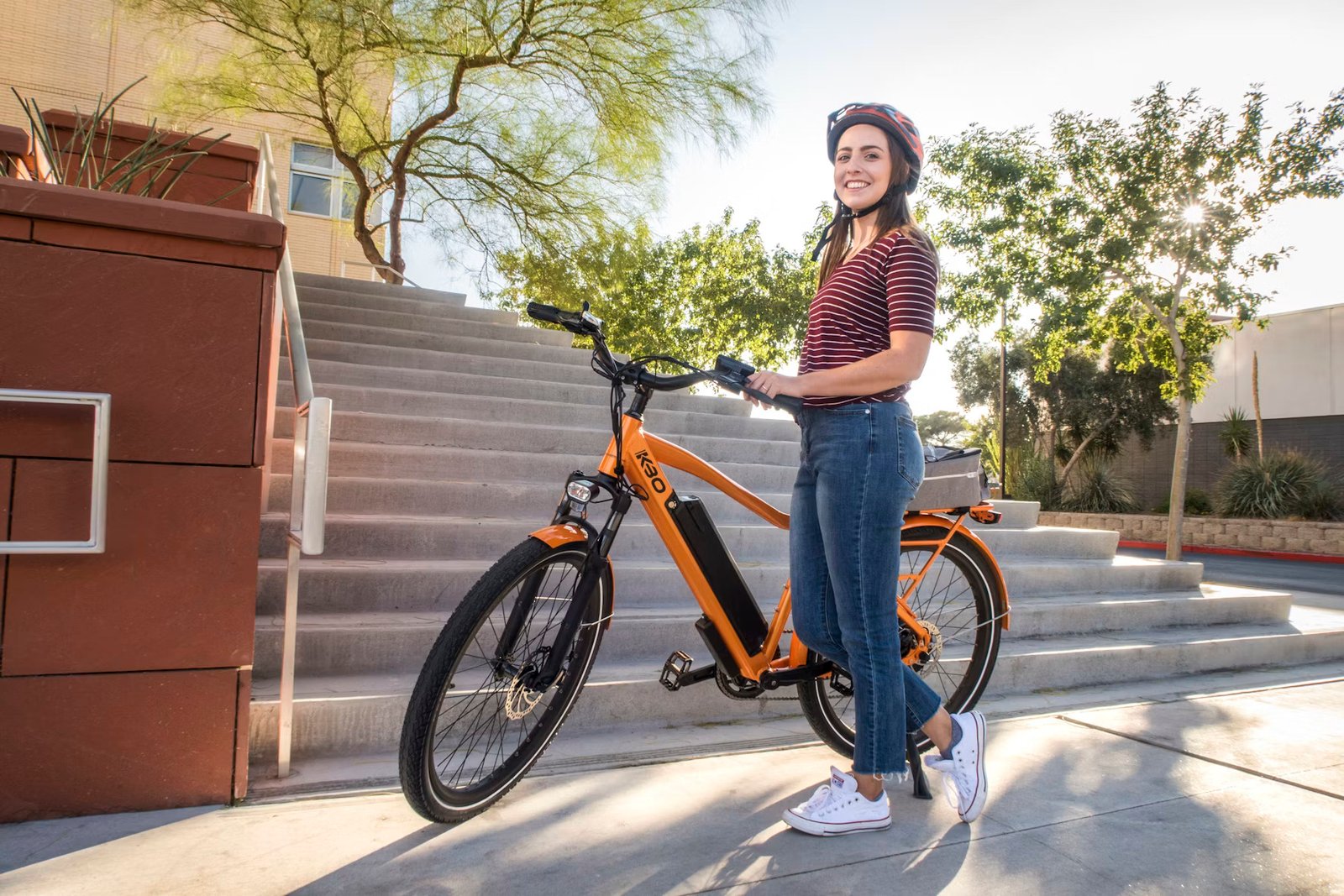
What This Means If You Own or Want to Buy an E-Bike in the USA
The Safest Choice Nationwide: Class 1
A Class 1 e-bike — pedal-assist only, cuts out at 20 mph, under 750W — is the most universally accepted configuration in the country. It’s legal in every three-class state without a licence, generally permitted wherever regular bicycles go, and faces the fewest restrictions on trails, paths, and public land.
Before You Buy — Check These Four Things
- Your state’s classification system — is it a three-class state, a motorized bicycle state (like NJ or MA), or something else entirely (like Alaska)?
- Your city’s additional rules — especially speed caps, sidewalk bans, and trail restrictions
- Whether your bike needs battery certification — California requires UL 2849 for new sales; NYC requires UL 2272 for e-scooters
- Pending legislation in your state — several states are mid-process on new rules that could take effect within months
If You’re in New Jersey Right Now
Your registration deadline is July 19, 2026 — days away. You need to register your e-bike, obtain a licence, and carry liability insurance. This applies to every e-bike class equally. The NJ Motor Vehicle Commission is the place to start.
Our Take — Is the USA Getting This Right?
Some states are. Most aren’t — yet.
The three-class system is genuinely smart policy. It distinguishes between fundamentally different devices — a 20 mph pedal-assist commuter bike and a 28 mph throttle-only e-moto are not the same thing, and treating them the same creates exactly the problems we’re seeing in cities. The framework gives states a clear, logical starting point.
The problem is the execution. Thirty-six states have adopted the three-class system, but the remaining 14 — plus the cities layering their own rules on top of state law — create a patchwork that makes the Canadian situation we covered in Part 1 of this series look almost tidy by comparison.
New Jersey’s move is the canary in the coal mine. It’s the first state to completely abandon the three-class framework, and while the delivery worker pushback is real and legitimate, the underlying impulse — to close the loophole that lets moped-style machines masquerade as bicycles — is the same one driving Australia’s crushing laws and Queensland’s licence requirement, as we covered in Part 2.
The US is currently somewhere between Canada’s chaos and Australia’s crackdown. Which direction it moves next depends on whether Priscilla’s Law passes in New York, whether California’s registration bills survive their legislature, and whether the NJ experiment makes e-bike compliance easier or just more expensive.
Watch this space. 2026 is not done yet.
E-Bike Laws USA 2026 — FAQ
Do I need a licence to ride an e-bike in the USA?
In most states, no — a compliant Class 1, 2, or 3 e-bike under 750W requires no licence, registration, or insurance. However, 11 states require a licence: Alabama, Alaska, Connecticut, Hawaii, Louisiana, Massachusetts, Missouri, New Jersey, New Mexico, North Dakota, and West Virginia. New Jersey now also requires registration and insurance.
What is the difference between Class 1, Class 2, and Class 3 e-bikes?
Class 1 is pedal-assist only, cutting out at 20 mph. Class 2 adds a throttle that works up to 20 mph without pedalling. Class 3 is pedal-assist only but cuts out at 28 mph and is generally restricted to road use. Class 1 has the fewest restrictions nationwide.
Is my e-bike legal in New Jersey?
Under New Jersey’s 2026 law, all e-bikes are reclassified as motorized bicycles regardless of class. You need a driver’s licence, vehicle registration, and liability insurance. The registration deadline is July 19, 2026. Register through the NJ Motor Vehicle Commission.
What e-bike rules apply in New York City?
NYC caps all e-bikes at 15 mph citywide, bans sidewalk riding, requires UL-certified batteries for e-scooters, and restricts Class 3 bikes to roads and bike lanes. No licence or registration is required for compliant e-bikes under New York State law, but the city’s 15 mph cap is strictly enforced.
Does California require e-bike registration?
No, as of mid-2026. California does not require registration for Class 1, 2, or 3 e-bikes. However, new battery safety certification (UL 2849) is now required for new e-bikes sold or leased in the state, and pending bills could add registration for Class 2 and 3 bikes before the end of 2026.
Did Florida pass new e-bike laws in 2026?
No. Florida’s SB 382 passed both legislative chambers unanimously but was vetoed by Governor Ron DeSantis on June 25, 2026. DeSantis cited concerns that enforcing speed limits near pedestrians would require surveillance equipment. Florida currently requires no licence, registration, or insurance for compliant e-bikes and that remains unchanged.
Can I ride an e-bike on trails in the USA?
It depends on the state, the trail manager, and your bike’s class. Class 1 is the most widely permitted on multi-use trails. Class 2 and 3 face more restrictions. National park trail access varies by park and is set by individual park management plans — always check before riding.
What happens if my e-bike exceeds 750W or 28 mph?
It’s reclassified as a motor vehicle or moped under federal and most state laws. That means licence, registration, and insurance requirements apply — and in cities with active enforcement, your bike can be seized as an unregistered motor vehicle.
Is Priscilla’s Law in effect in NYC?
Not yet. As of July 2026, Priscilla’s Law (S2599A/A339A) is still in committee in the New York State Legislature and has not passed. If it does pass, it would require licence plates and DMV registration for every e-bike and e-scooter in NYC.
Which US state has the strictest e-bike laws?
New Jersey, which in 2026 eliminated the three-class system entirely and now requires a licence, registration, and insurance for every e-bike regardless of power or speed. Alaska is a close second, classifying e-bikes as motorcycles.
Which US state has the most permissive e-bike laws?
Arizona — all three classes are treated as bicycles with no helmet requirement, no licence, no registration, and broad trail access. Most western states using the three-class system are relatively permissive for Class 1 riders.
This article is for informational purposes only. E-bike laws in the USA change frequently at both state and local level. Always verify current requirements with your state’s DMV or transportation authority before riding or purchasing. Links: NJ MVC · California DMV · NY DMV · Federal Highway Administration
Last verified: July 8, 2026. eMobilityNow will update this article as Florida’s SB 382, California’s AB 1942, and New York’s Priscilla’s Law all move toward resolution.
Next in the series: E-Bike Laws Europe 2026 — why what’s legal in Amsterdam can get you fined in Paris, how the EU baseline works, and why S-Pedelec enforcement is tightening across the continent. Coming soon on eMobilityNow.